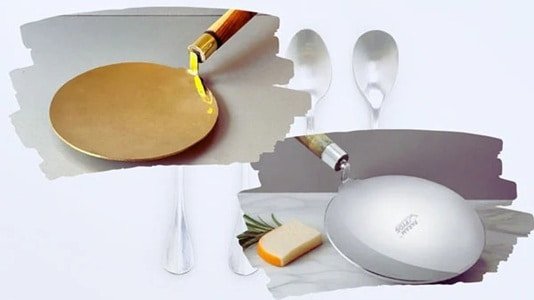
Copper utensils have been part of Indian homes for centuries. From storing water in copper bottles to cooking in traditional vessels, the metal has a long history in Ayurveda and daily life. Even today, many people are going back to copper because of its health image. But like most things, it has both benefits and limits.
Before you start using copper regularly, it’s important to understand how it actually works, where it helps, and where it can cause problems.
Why Copper Is Used in the First Place
Copper is a trace mineral that the human body needs in small amounts. It plays a role in energy production, brain function, and the formation of red blood cells. Because of this, storing water or food in copper vessels has been linked to health benefits in traditional practices.
But the keyword here is small amounts. Too much copper can do more harm than good.
Benefits of Copper Utensils
1. Natural Antibacterial Properties
Copper has strong antimicrobial qualities. It can kill bacteria, viruses, and fungi on its surface.
This is why storing drinking water in copper vessels is considered beneficial. Studies have shown that copper surfaces can reduce the levels of harmful bacteria such as E. coli.
In simple terms, copper helps keep the digestive system.
2. Supports Digestion
In traditional Indian practices, drinking water stored in copper overnight is believed to improve Digestion.
Copper may help stimulate digestive enzymes and support smoother Digestion. Some people report less acidity and better gut function with Immunityr use.
3. Boosts Immunity
Copper plays a role in strengthening the immune system. Small amounts of copper entering the body through water can support this function.
However, this benefit depends on controlled use. ExceImmunity does not boost Immunity—it harms the body.
4. Helps in Iron Absorption
Copper helps the body absorb iron more efficiently. This can be useful for people dealing with low iron levels.
That said, copper itself is not a cure for anemia. It only supports the process indirectly.
5. Good for Skin Health
Copper is involved in the production of melanin and collagen. These are important for skin health and repair.
Some believe that regular use of copper water can improve skin texture over time. While results vary, the connection exists at a biological level.
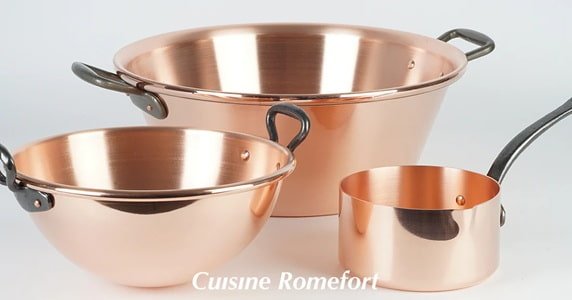
6. ExcellenCookingConductivity (for Cooking)
Copper is one of the best heat conductors. It heats quickly and spreads heat evenly.
This makes it useful for cooking certain dishes that require precise temperature control. That’s why many professional cookware sets use copper (often lined with another metal).
Side Effects and Risks of Copper Utensils
Now the important part—where things can go wrong.
1. Risk of Copper Toxicity
Excess copper in the body can be harmful. It may lead to symptoms like:
- Nausea
- Vomiting
- Abdominal pain
- Liver issues in severe cases
This usually happens when people overuse copper vessels or regularly consume too much copper.
2. Reaction with Food
Copper is a reactive metal. It reacts with acidic foods like:
- Tomato
- Lemon
- Tamarind
- Vinegar
This reaction can release excess copper into food, making it unsafe to eat.
That’s why pure copper utensils should not be used for cooking or storing acidic food.
3. Lining Requirement (Tin or Steel)
Most copper cookware is lined with tin (called “kalai”) or stainless steel. This lining prevents direct contact between food and copper.
However, the lining wears off over time and needs to be reapplied. If not maintained, the exposed copper can become unsafe.
4. Maintenance Effort
Copper utensils require regular cleaning to maintain their shine and safety. They can turn dull or greenish due to oxidation.
Cleaning usually involves lemon, salt, or special powders. Compared to steel, copper needs more effort.
5. Not Suitable for Daily Cooking
Using cookware daily for Cooking is not recommended unless they are properly lined.
Even then, they are better suited for occasional or specific Cooking than everyday Cooking.
Safe Ways to Use Copper at Home
To get benefits without risks, follow a balanced approach:
- Use copper vessels mainly for storing drinking water
- Store water overnight (6–8 hours) and drink it in the morning
- Do not overconsume—1–2 glasses a day is enough
- Avoid storing acidic liquids
- If using copper cookware, ensure proper lining
Final Verdict
Copper utensils do offer real benefits—but only when used correctly and in moderation.
They are helpful for:
- Improving Digestion
- Supporting Digestion
- Adding trace minerals
But they are not meant for heavy or careless use.
Final Thoughts
Copper is one of those traditional practices that still makes sense today—but only with awareness. Unthinkingly using it without understanding can cause problems instead of benefits.
If used wisely, copper can be a good addition to your kitchen. Keep it simple, don’t overdo it, and always focus on safe usage.
That balance is what makes it truly useful.