Renewable energy assists in meeting the growing demand for electricity and cuts emissions from power plants. Different types of renewable energy in a single system can improve electricity availability throughout the day. Solar power, wind power and hydropower operate under different natural conditions, complementing one another. Hybrid renewable energy projects provide a more consistent electricity supply to businesses, utilities and communities. However, they require the right generation equipment, energy storage and a power control system for an efficient process.
What Are Hybrid Renewable Energy Systems?
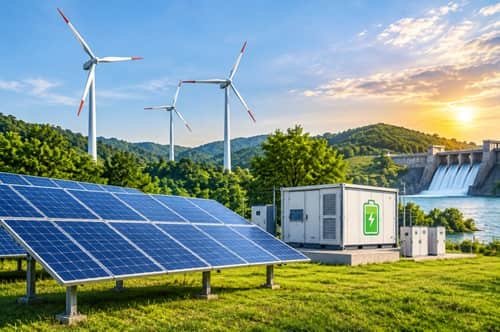
Hybrid renewable energy systems combine two or more renewable electricity sources in a single power system. These installations use technologies such as solar panels, wind turbines, and hydropower facilities to generate electricity. They rely on locally available renewable resources to meet electricity demand.
A hybrid project may combine generation technologies at one location or coordinate them across multiple sites through suitable grid connections. Operators can manage electricity output using monitoring equipment and controls that respond to changing generation conditions and electricity demand.
Which Renewable Energy Sources Can Be Combined in Hybrid Systems?
Different renewable sources produce electricity according to weather patterns and resource availability. Choosing complementary sources can help distribute electricity generation across different hours and seasons.
The main combinations used in hybrid renewable energy systems include:
- Solar and Wind Energy: Solar panels generate electricity from sunlight, while wind turbines use moving air to generate power. Wind generation may continue during evening and nighttime hours when conditions are suitable. Combining these technologies can extend renewable electricity availability.
- Solar and Hydropower: Solar installations generate electricity during daylight hours. Hydropower facilities can adjust their output based on water availability and operating conditions. Reservoir-based hydropower can help meet electricity demand when solar generation changes throughout the day.
- Wind and Hydropower: Wind turbines produce electricity when wind conditions are favorable. Hydropower facilities with flexible generation capacity can adjust their output to meet changes in electricity demand. This combination allows operators to coordinate wind production with available hydropower capacity.
Selecting the right combination of types of renewable energy requires assessing local resources, electricity demand, and available infrastructure.
How Do Hybrid Renewable Energy Systems Work?
Hybrid systems produce electricity through connected renewable technologies and coordinate output using power management equipment. Inverters convert electricity where required, while controllers and monitoring devices regulate operating conditions and help deliver power to consumers or the electricity grid.
Energy management systems use generation forecasts, electricity demand, and equipment information to guide operating decisions. With battery storage, operators can store surplus electricity for later use. Grid connections also support electricity exchange according to system requirements.
How Do Hybrid Renewable Energy Systems Improve Power Reliability?
Hybrid renewable energy systems can improve power reliability by coordinating sources that generate electricity under different conditions. Their effectiveness depends on the generation mix, available storage, and electricity demand.
The main ways these systems support reliable electricity supply include:
- Complementary Power Generation: Solar and wind resources may peak at different times. Combining sources with suitable production patterns can spread electricity generation across more hours, supporting a steadier supply.
- Reduced Supply Gaps: When electricity production from one source decreases, another may continue generating power. This arrangement can help maintain electricity availability as sunlight, wind conditions, and other natural factors change.
- Energy Storage Support: Battery systems can store surplus electricity during periods of higher renewable generation. Operators can release this energy when production falls or demand increases, depending on available battery capacity and discharge capability.
- Better Supply Management: Forecasting tools help operators estimate changes in renewable electricity production. Automated controls can coordinate generation, battery charging, and electricity delivery based on expected demand and available power.
Together, these measures can support a steadier electricity supply when backed by suitable generation capacity, storage, and grid or backup support.
What Are the Benefits of Combining Renewable Energy Sources?
Combining renewable technologies offers practical advantages for electricity producers, businesses, and power networks. Hybrid projects can support efficient resource use and greater flexibility in electricity generation.
The main benefits include:
- Improved Resource Utilization: Hybrid projects can generate electricity from multiple natural resources within a region. This allows developers to use local renewable energy potential across different operating periods.
- Shared Infrastructure: Some hybrid installations can use common transmission connections, substations, and electrical equipment. Sharing suitable infrastructure may reduce certain project costs and improve the use of available grid connection capacity.
- Reduced Fossil Fuel Dependence: Renewable electricity can replace part of the power generated from conventional fuels when operating conditions allow. This can help reduce greenhouse gas emissions associated with electricity production.
- Greater Project Flexibility: Developers can choose generation capacities and technology combinations based on available land, electricity requirements, and project objectives. This allows hybrid systems to serve different energy users.
These benefits make hybrid projects useful for expanding renewable electricity generation while considering operating requirements and long-term costs.
What Factors Affect the Performance of Hybrid Renewable Energy Systems?
Local resource conditions shape how hybrid systems perform. Developers look at sunlight, wind speeds, seasonal changes and water availability to predict how much electricity can be produced. They also examine demand patterns to choose the mix and size of renewable technologies for each place and use.
Developers also check maintenance needs and the expected electricity output. Matching the power generation and storage with the demand makes the system run better over the life of the project even as conditions change.
Where Are Hybrid Renewable Energy Systems Most Useful?
Utility-scale renewable energy projects can combine solar and wind generation to supply electricity to power networks. Renewable energy developers, such as Hero Future Energies, develop hybrid projects. They combine complementary technologies to meet large-scale electricity needs under different operating conditions.
Conclusion
Hybrid renewable energy systems bring together different types of renewable energy to make electricity more reliable. The success of these systems depends on choosing technologies that use local resources wisely and managing energy generation and storage well. Energy developers take time to plan these hybrid systems carefully. Their goal is to help businesses, utility companies and local communities. This planning helps everyone use resources properly while maintaining a steady power supply.