Most people focus on what they eat. Very few think about what they cook in. But cookware matters more than it seems. The wrong utensils can slowly affect your food quality and, over time, your health. This doesn’t mean you need to throw everything away. It just means you should know which materials to be careful with and how to use them safely.
Indian kitchens see a mix of old and modern cookware—non-stick pans, aluminium vessels, copper bottles, even plastic containers. Some are safe if used correctly. Others can become harmful if misused or worn out.
Let’s go through the main types you should avoid or use with caution.
1. Scratched Non-Stick Cookware
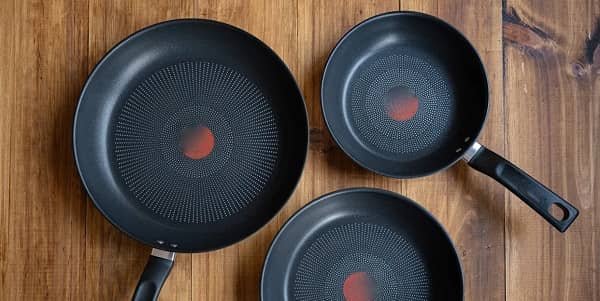
Non-stick pans are convenient. They need less oil and are easy to clean. But once the coating starts peeling or scratching, they can become unsafe.
Most non-stick cookware uses a coating like PTFE. When the surface is damaged:
- Tiny particles can mix with food
- The pan becomes uneven and overheats easily
Also, overheating a non-stick pan (especially empty) can release fumes that are not good for health.
👉 What to do:
- Avoid using metal spoons
- Don’t cook on very high heat
- Replace the pan if the coating is damaged
2. Low-Quality Aluminium Utensils
Aluminium is widely used because it is cheap and heats quickly. But low-quality or uncoated aluminium can react with acidic foods like:
- Tomato
- Tamarind
- Lemon
This reaction can alter taste and may release aluminium into food.
Modern anodized aluminium is safer, but cheap or old aluminium utensils are best avoided for daily use.
👉 What to do:
- Use anodized or coated aluminium only
- Avoid cooking acidic food in plain aluminium
3. Plastic Containers for Hot Food
Plastic is everywhere—storage boxes, lunch containers, even microwave bowls. The problem starts when plastic meets heat.
Heating food in plastic can cause chemicals to leach into the food, especially if the plastic is low quality or not microwave-safe.
👉 What to do:
- Avoid putting hot food directly into plastic
- Use glass or steel for storage and reheating
- Check for “BPA-free” and heat-safe labels
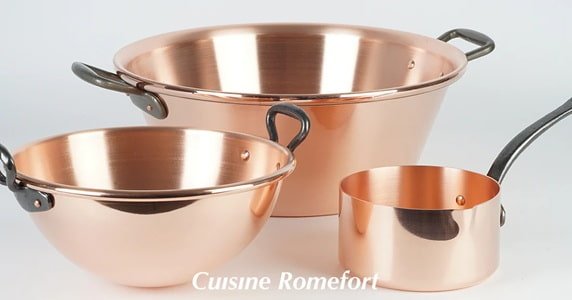
4. Old or Unlined Copper and Brass Utensils
Copper and brass have traditional value, but they are reactive metals.
If you cook or store food in them without proper lining (tin or steel), they can react with food—especially acidic items. This may lead to excess metal intake, which is not safe.
👉 What to do:
- Use copper mainly for storing water, not cooking
- Ensure brass utensils have proper tin coating (kalai)
- Recoat regularly if needed
5. Cheap or Damaged Ceramic-Coated Utensils
Ceramic cookware is often marketed as safe and non-toxic. But not all products are high quality.
Low-quality ceramic coatings can chip or wear off quickly. Once damaged, the base material may get exposed, which may not always be safe.
👉 What to do:
- Buy from reliable brands
- Replace if you see cracks or chipping
6. Non-Food Grade Stainless Steel
Stainless steel is generally safe, but not all steel is the same.
Low-grade or non-food-grade steel can contain impurities or metals that are not suitable for cooking. This is more common in very cheap utensils.
👉 What to do:
- Choose good quality grades like 304 or 316
- Avoid extremely cheap steel products
7. Rusted Iron or Cast Iron (Neglected)
Iron cookware is safe and even beneficial when maintained well. But if it is left wet and becomes rusty, it can affect food quality.
Rust itself is not highly toxic in small amounts, but it indicates poor maintenance and can spoil taste.
👉 What to do:
- Keep iron cookware dry
- Season it regularly
- Avoid using heavily rusted utensils
8. Non-Stick Pressure Cookers (Low Quality)
This is less talked about, but important.
Some low-quality non-stick pressure cookers can wear out quickly due to high pressure and heat. Once the coating starts breaking, it becomes unsafe.
👉 What to do:
- Prefer stainless steel pressure cookers
- If using non-stick, ensure high quality and proper care
9. Painted or Decorative Utensils for Cooking
Some utensils are meant only for decoration or serving, not cooking. Painted or colored coatings on cheap utensils may contain harmful chemicals.
👉 What to do:
- Use only food-grade cookware for cooking
- Avoid unknown coatings
Final Thoughts
No utensil is “perfect” or completely harmful on its own. The real issue is quality and usage.
A simple rule works well:
- If it’s damaged → replace it
- If it reacts with food → avoid using it for cooking
- If it needs care → maintain it properly
Safer Alternatives to Use
For everyday Indian kitchens, these are the safest options:
- Stainless steel → for daily cooking and storage
- Cast iron → for high-heat and traditional cooking
- Good-quality non-stick → for low-oil cooking (with care)
- Glass → for storage and reheating
Final Line
Healthy cooking is not just about ingredients. It’s also about the utensils you use every day. Make a few smart changes, and you can avoid problems without changing your entire kitchen setup.