The liver is one of the hardest-working organs in the human body. It performs more than 500 essential functions, including filtering toxins from the blood, producing bile for digestion, storing nutrients, regulating blood sugar levels, and metabolizing fats, proteins, and carbohydrates. Because the liver plays such a vital role in overall health, taking care of it should be a priority.
While no single food can “detox” the liver, a balanced diet rich in nutrient-dense foods can help support its natural functions, reduce inflammation, and protect liver cells from damage. Combined with regular exercise, maintaining a healthy weight, limiting alcohol, and avoiding smoking, healthy eating can go a long way in promoting liver health.
Here are 7 healthy foods that may help improve liver health and why they deserve a place in your diet.
1. Leafy Green Vegetables
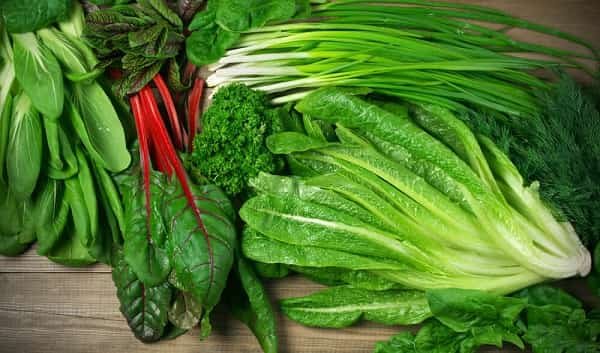
Leafy greens such as spinach, kale, fenugreek leaves, mustard greens, and lettuce are packed with vitamins, minerals, antioxidants, and dietary fiber. These vegetables contain plant compounds that help protect liver cells from oxidative stress and support the body’s natural detoxification processes.
They are also rich in nitrates and polyphenols, which may contribute to improved metabolic health. Adding leafy greens to salads, soups, smoothies, or cooked meals is an easy way to support overall liver function.
Best ways to eat them:
- Fresh salads
- Stir-fries
- Vegetable soups
- Green smoothies
2. Fatty Fish
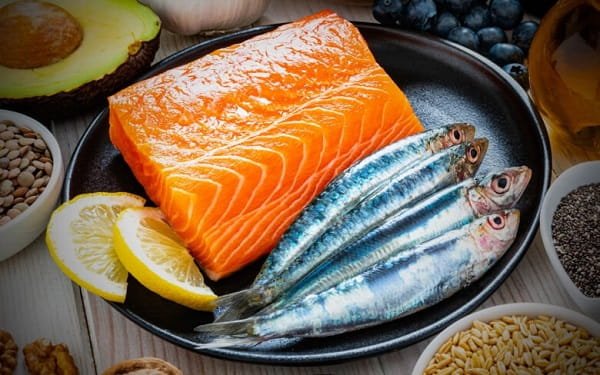
Fatty fish like salmon, sardines, mackerel, and trout are excellent sources of omega-3 fatty acids. These healthy fats may help reduce inflammation and lower fat accumulation in the liver, especially when combined with a healthy lifestyle.
Omega-3 fatty acids also support heart health, making fatty fish a nutritious choice for overall well-being.
Aim for: Two servings of fatty fish per week, as recommended in many dietary guidelines.
3. Garlic
Garlic is widely known for its health-promoting properties. It contains sulfur compounds and antioxidants that support normal liver function and overall health. Garlic may also contribute to improved metabolism and cardiovascular health.
Fresh garlic provides the greatest nutritional benefits. It can easily be added to curries, soups, roasted vegetables, pasta dishes, and stir-fries.
Tip: Crushing garlic and letting it sit for a few minutes before cooking helps preserve some of its beneficial compounds.
4. Berries
Blueberries, strawberries, raspberries, blackberries, and cranberries are loaded with antioxidants called anthocyanins, which help protect cells from oxidative damage.
A diet rich in colorful fruits like berries supports overall health and may help reduce inflammation throughout the body, including the liver.
Berries are naturally sweet, low in calories, and high in fiber, making them an excellent snack or breakfast addition.
Healthy serving ideas:
- Mix into yogurt
- Add to oatmeal
- Blend into smoothies
- Eat fresh as a snack
5. Nuts
Nuts such as almonds, walnuts, pistachios, and cashews provide healthy fats, vitamin E, plant protein, magnesium, and antioxidants.
Walnuts are particularly rich in omega-3 fatty acids, while almonds provide vitamin E, which helps protect cells from oxidative stress. Eating a moderate amount of unsalted nuts can be part of a liver-friendly eating pattern.
Recommended portion: A small handful (about 28 grams) per day.
6. Whole Grains
Whole grains like oats, brown rice, quinoa, whole wheat, and barley contain dietary fiber, vitamins, and minerals that support digestive and metabolic health.
Fiber helps maintain healthy blood sugar levels and supports weight management—both of which are important because excess body weight increases the risk of non-alcoholic fatty liver disease (NAFLD).
Replacing refined grains with whole grains is a simple dietary change that benefits both the liver and overall health.
7. Coffee
For many adults, moderate coffee consumption can be part of a healthy diet. Research suggests that drinking coffee may be associated with a lower risk of certain chronic liver diseases and may support liver health in some people.
Coffee contains antioxidants and plant compounds that may help reduce inflammation and protect liver cells. However, these benefits are generally associated with plain coffee without excessive sugar, cream, or flavored syrups.
If you have a medical condition or are sensitive to caffeine, consult your healthcare provider about the appropriate amount for you.
Additional Tips for a Healthy Liver
Besides eating liver-friendly foods, adopting healthy lifestyle habits is equally important.
- Maintain a healthy body weight.
- Exercise for at least 150 minutes per week.
- Stay well hydrated.
- Limit alcohol consumption or avoid it altogether.
- Avoid smoking and tobacco products.
- Eat fewer sugary drinks and highly processed foods.
- Get vaccinated against hepatitis if recommended.
- Take medications only as directed by your healthcare provider.
Foods to Limit for Better Liver Health
To protect your liver, try to reduce the intake of:
- Sugary beverages
- Deep-fried foods
- Processed meats
- Excessive sweets and desserts
- Highly processed snacks
- Foods high in saturated and trans fats
- Excessive alcohol
Replacing these foods with nutrient-rich alternatives can support long-term liver health.
Conclusion
Your liver works tirelessly every day to keep your body functioning properly, and the foods you eat can make a significant difference in its health. Leafy green vegetables, fatty fish, garlic, berries, nuts, whole grains, and moderate coffee consumption are all nutritious choices that support the liver as part of a balanced lifestyle.
It’s important to remember that no food can instantly “cleanse” or “detox” the liver. Instead, consistent healthy eating, regular physical activity, adequate sleep, maintaining a healthy weight, and avoiding harmful habits provide the best foundation for lifelong liver health.
Frequently Asked Questions (FAQs)
Q: Which food is best for liver health?
A: There isn’t one single best food. A balanced diet that includes leafy greens, fatty fish, berries, whole grains, nuts, and garlic is beneficial for overall liver health.
Q: Can food detox the liver?
A: No. The liver naturally detoxifies the body. Healthy foods support its normal function but do not “detox” the liver on their own.
Q: Is coffee good for the liver?
A: Research suggests that moderate coffee consumption may support liver health in many adults. Plain coffee without excessive sugar or cream is generally the healthiest choice.
Q: Which foods should I avoid for a healthy liver?
A: Limit alcohol, sugary drinks, highly processed foods, fried foods, processed meats, and foods high in saturated or trans fats.
Q: Can lifestyle changes improve liver health?
A: Yes. Eating a balanced diet, exercising regularly, maintaining a healthy weight, staying hydrated, and avoiding smoking and excessive alcohol can significantly support liver health over time.