Human hair is much more than a part of our appearance. It protects the scalp, helps regulate body temperature, and even reflects our overall health. Whether your hair is straight, curly, thick, or thin, it has fascinating qualities that most people are unaware of. From the number of hair strands on your head to the surprising strength of a single strand, hair is truly an amazing part of the human body.
In this article, let’s explore 10 interesting facts about human hair that will change the way you look at it.
1. The Average Person Has Around 100,000 Hair Strands
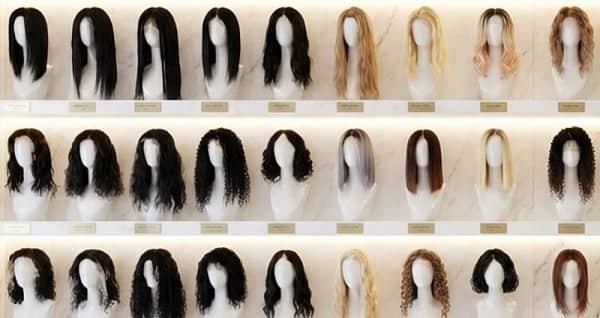
An average human scalp contains between 80,000 and 120,000 hair follicles, depending on genetics and hair color. People with blonde hair usually have the highest number of hair strands, while those with red hair generally have fewer. However, the thickness of each strand also varies, which is why hair can appear fuller even with fewer strands.
2. Hair Grows Faster Than You Think
Human hair grows at an average rate of about 1 to 1.5 centimeters (0.4 to 0.6 inches) per month, or roughly 15 centimeters (6 inches) per year. Growth speed depends on factors such as age, genetics, nutrition, hormones, and overall health. Hair tends to grow slightly faster during warmer months due to improved blood circulation.
3. Hair Is One of the Strongest Materials in the Human Body
Although a single strand of hair looks delicate, it is incredibly strong. One healthy hair strand can support approximately 100 grams of weight. Collectively, all the hair on a person’s head could theoretically support several tons under ideal conditions. This remarkable strength comes from a protein called keratin.
4. Hair Is Made Mostly of Keratin
The primary component of human hair is keratin, a tough structural protein that also forms your nails and the outer layer of your skin. Keratin helps hair remain flexible, durable, and resistant to daily wear. Proper nutrition, especially adequate protein intake, is essential for healthy keratin production.
5. It’s Normal to Lose Hair Every Day
Losing 50 to 100 hairs per day is completely normal. Hair grows in cycles consisting of the growth phase (anagen), transition phase (catagen), resting phase (telogen), and shedding phase (exogen). Since different hairs are in different stages at any given time, daily hair shedding is a natural process and usually not a cause for concern.
6. Hair Can Reveal Information About Your Health
Hair can provide valuable clues about your overall well-being. Nutritional deficiencies, hormonal imbalances, thyroid disorders, stress, certain medications, and illnesses can all affect hair growth and quality. Sudden hair loss, excessive breakage, or noticeable thinning may indicate an underlying health issue that deserves medical attention.
7. Wet Hair Is More Fragile Than Dry Hair
Many people brush or comb their hair immediately after washing, but wet hair is actually more elastic and prone to damage. The hair shaft stretches easily when wet, increasing the risk of breakage. Using a wide-tooth comb, avoiding vigorous towel rubbing, and allowing hair to dry gently can help reduce damage.
8. Hair Color Is Determined by Melanin
The natural color of your hair depends on the amount and type of melanin produced by specialized cells called melanocytes. There are two main types of melanin:
- Eumelanin produces black and brown shades.
- Pheomelanin creates blonde and red tones.
As people age, melanin production gradually decreases, causing hair to turn gray or white.
9. Stress Can Affect Hair Growth
Long-term physical or emotional stress may trigger temporary hair shedding, a condition known as telogen effluvium. During stressful periods, more hair follicles enter the resting phase than usual, leading to noticeable hair loss a few months later. Fortunately, hair often regrows once the underlying stress is managed and overall health improves.
10. Healthy Hair Starts with Healthy Habits
Good hair care involves much more than using expensive shampoos. Healthy hair depends on a balanced lifestyle that includes:
- Eating a protein-rich, nutrient-dense diet.
- Staying well hydrated.
- Getting enough sleep.
- Managing stress.
- Protecting hair from excessive heat styling.
- Avoiding harsh chemical treatments whenever possible.
- Keeping the scalp clean and healthy.
Small daily habits often have a bigger impact on hair health than costly cosmetic products.
Tips to Maintain Healthy Hair
If you want stronger and shinier hair, follow these simple practices:
- Wash your hair according to your scalp type.
- Use a mild shampoo and conditioner.
- Limit the use of heat styling tools.
- Trim split ends regularly.
- Eat foods rich in protein, iron, zinc, biotin, and vitamins.
- Protect your hair from excessive sunlight and pollution.
- Avoid overly tight hairstyles that pull on the roots.
- Drink enough water every day.
Conclusion
Human hair is an incredible part of the body that combines beauty with biological complexity. It grows continuously, adapts to changing conditions, and reflects many aspects of your health. Understanding these interesting facts about human hair can help you appreciate it more and encourage healthier hair care habits. While genetics play a significant role in determining hair type and growth, proper nutrition, gentle care, and a healthy lifestyle can go a long way in maintaining strong, vibrant hair.
Frequently Asked Questions (FAQs)
Q: How fast does human hair grow?
A: Human hair typically grows about 1 to 1.5 centimeters per month, though growth rates vary depending on genetics, age, health, and nutrition.
Q: How many hairs does a person lose daily?
A: It is normal to lose 50 to 100 hairs every day as part of the natural hair growth cycle.
Q: Why does hair turn gray?
A: Hair turns gray because the cells that produce melanin gradually produce less pigment as people age.
Q: Does cutting hair make it grow faster?
A: No. Trimming hair does not increase its growth rate. It simply removes split ends, making hair look healthier and reducing breakage.
Q: What nutrients are important for healthy hair?
A: Protein, iron, zinc, biotin, vitamin D, vitamin B12, vitamin C, and omega-3 fatty acids all support healthy hair growth and strength.