The liver is one of the most important organs in the human body. It performs more than 500 essential functions, including filtering toxins from the blood, producing bile for digestion, storing nutrients, regulating blood sugar, and metabolizing fats, proteins, carbohydrates, and medications. Despite its remarkable ability to repair itself, the liver is not invincible. Long-term unhealthy habits can gradually damage liver cells, increasing the risk of liver disease.
The good news is that many liver problems are preventable through healthy lifestyle choices. By identifying and avoiding harmful habits, you can help protect your liver and support its normal function for years to come.
Here are five bad habits that can negatively affect your liver health and practical ways to avoid them.
1. Drinking Excessive Alcohol

One of the most well-known causes of liver damage is excessive alcohol consumption. The liver breaks down alcohol, but drinking more than it can process puts stress on liver cells. Over time, this can lead to inflammation, fatty liver, alcoholic hepatitis, fibrosis, and eventually cirrhosis.
Many people believe that occasional heavy drinking is harmless, but binge drinking can also cause significant liver damage. The risk increases with the amount and frequency of alcohol consumption.
Healthier alternative:
- Limit alcohol consumption or avoid it altogether.
- If you choose to drink, follow your country’s recommended alcohol guidelines.
- Seek medical advice if you find it difficult to reduce alcohol intake.
2. Eating Too Many Processed and Sugary Foods
A diet high in processed foods, sugary drinks, refined carbohydrates, and unhealthy fats can contribute to weight gain and fat accumulation in the liver. Over time, this may increase the risk of non-alcoholic fatty liver disease (NAFLD), one of the most common liver conditions worldwide.
Common foods that may contribute to poor liver health include:
- Sugary soft drinks
- Packaged snacks
- Fast food
- Fried foods
- Cakes and pastries
- Candy and sweets
- Processed meats
Healthier alternative:
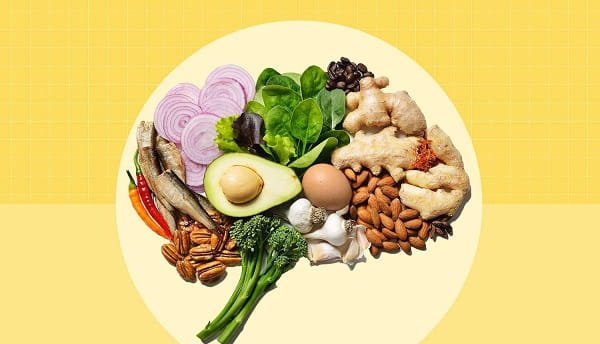
Choose a balanced diet rich in:
- Fruits
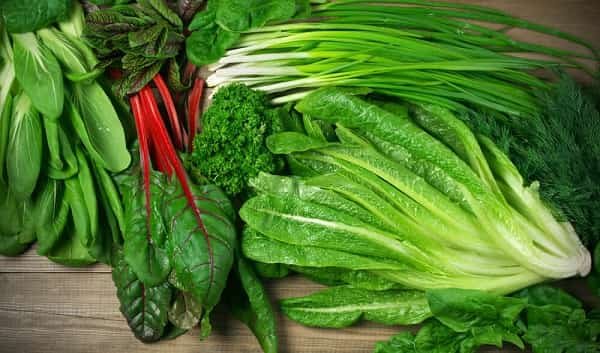
- Vegetables
- Whole grains
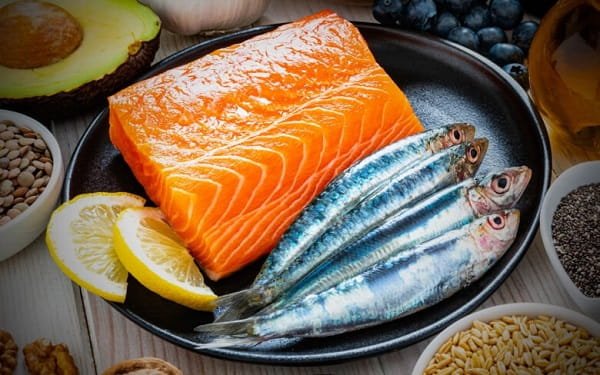
- Lean proteins
- Nuts and seeds
- Healthy fats such as olive oil
A nutritious eating pattern supports both liver health and overall well-being.
3. Lack of Physical Activity
A sedentary lifestyle can increase the risk of obesity, insulin resistance, and fatty liver disease. Regular exercise helps improve metabolism, supports healthy body weight, and reduces fat accumulation in the liver.
Even if you eat a healthy diet, sitting for long periods without regular physical activity may negatively affect your liver over time.
Healthier alternative:
Aim for at least 150 minutes of moderate-intensity exercise each week, such as:
- Brisk walking
- Cycling
- Swimming
- Dancing
- Jogging
- Strength training
Staying active also benefits your heart, muscles, and mental health.
4. Misusing Medications and Supplements
Many people assume that over-the-counter medicines and herbal supplements are always safe. However, taking medications in excessive doses or combining multiple medicines without medical guidance can place unnecessary strain on the liver.
For example, taking more than the recommended dose of acetaminophen (paracetamol) can cause serious liver injury. Some herbal supplements and bodybuilding products have also been linked to liver damage in certain cases.
Healthier alternative:
- Always follow the recommended dosage.
- Never mix medications without consulting your healthcare provider.
- Tell your doctor about any herbal supplements you take.
- Avoid self-medicating for long periods.
5. Ignoring Regular Health Checkups
Liver disease often develops silently. Many people experience no noticeable symptoms during the early stages, which is why routine medical checkups are important—especially for individuals with risk factors such as obesity, diabetes, high cholesterol, or a family history of liver disease.
Regular blood tests and medical evaluations can help detect liver problems before they become serious.
Healthier alternative:
- Schedule routine health checkups.
- Monitor blood pressure, blood sugar, and cholesterol.
- Follow your doctor’s advice if you have diabetes or other chronic conditions.
- Get vaccinated against hepatitis if recommended.
Signs That May Indicate Liver Problems
Although early liver disease often has no symptoms, seek medical attention if you experience:
- Persistent fatigue
- Yellowing of the skin or eyes (jaundice)
- Dark-colored urine
- Pale stools
- Swelling in the abdomen or legs
- Persistent nausea or vomiting
- Unexplained weight loss
- Pain or discomfort in the upper right side of the abdomen
These symptoms can have many possible causes and should always be evaluated by a healthcare professional.
Tips for Maintaining a Healthy Liver
To keep your liver functioning at its best:
- Eat a balanced, nutrient-rich diet.
- Exercise regularly.
- Maintain a healthy body weight.
- Drink enough water.
- Avoid smoking and tobacco products.
- Limit or avoid alcohol.
- Use medications responsibly.
- Practice safe hygiene to reduce the risk of viral hepatitis.
- Get adequate sleep every night.
Conclusion
Your liver works tirelessly every day to keep your body healthy, but unhealthy habits can gradually reduce its ability to function properly. Excessive alcohol consumption, poor dietary choices, physical inactivity, medication misuse, and skipping regular health checkups are among the most common habits that can negatively affect liver health.
The encouraging news is that many liver diseases are preventable. By adopting healthier eating habits, staying physically active, using medications responsibly, and seeking regular medical care, you can significantly reduce your risk of liver problems and support your liver for a lifetime.
Frequently Asked Questions (FAQs)
Q: What is the biggest cause of liver damage?
A: Excessive alcohol consumption, obesity, viral hepatitis, and non-alcoholic fatty liver disease are among the leading causes of liver damage worldwide.
Q: Can the liver repair itself?
A: Yes. The liver has an impressive ability to regenerate and repair itself, especially when damage is detected early and harmful habits are stopped.
Q: Can processed foods harm the liver?
A: A diet high in processed foods, added sugars, and unhealthy fats may contribute to fatty liver disease and other metabolic conditions that affect liver health.
Q: Is exercise good for the liver?
A: Yes. Regular physical activity helps maintain a healthy weight, improves metabolism, and reduces the risk of non-alcoholic fatty liver disease.
Q: How can I protect my liver naturally?
A: You can support liver health by eating a balanced diet, exercising regularly, maintaining a healthy weight, limiting alcohol, avoiding smoking, using medications responsibly, and attending regular health checkups.