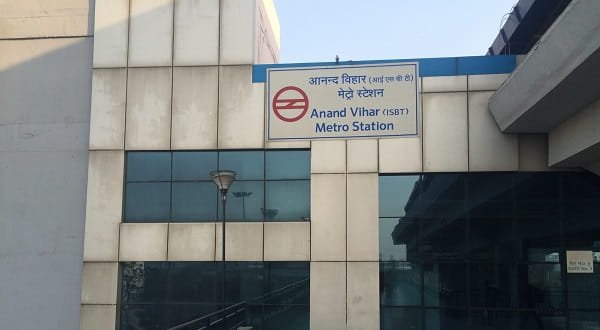
When major international events take place, travel restrictions often follow. During the G20 Summit in Delhi, many people wondered whether metro services would remain operational. Because such high-level events involve tight security, transport systems usually undergo temporary changes.
Moreover, confusion spread quickly among commuters before and during the event. At the same time, authorities ensured that essential services continued wherever possible. Therefore, understanding what actually happened helps clear all doubts.
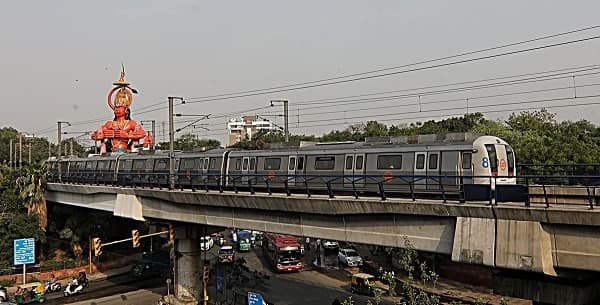
Was Delhi Metro Closed for G20?
No, Delhi Metro was not completely closed during the G20 Summit. However, authorities imposed temporary restrictions at certain stations located in high-security zones.
Most metro lines continued operating as usual. However, entry and exit at selected stations remained restricted for a specific time. Therefore, commuters needed to plan their routes carefully.
Which Stations Were Affected?
During the G20 Summit, several stations in central Delhi faced restrictions. These stations mainly fell within the New Delhi Municipal Council (NDMC) area.
Some commonly affected stations included:
- Rajiv Chowk Metro Station
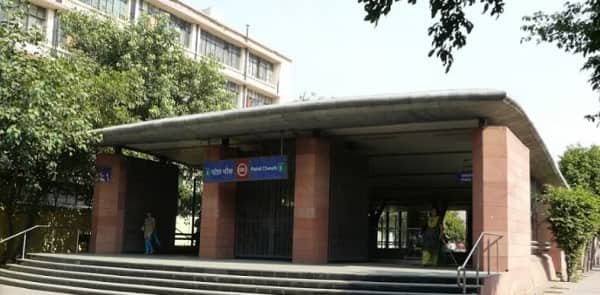
- Patel Chowk Metro Station
- Central Secretariat Metro Station
- Udyog Bhawan Metro Station
- Lok Kalyan Marg Metro Station
However, trains continued to pass through these stations. In most cases, they did not stop for boarding or deboarding passengers.
Why Restrictions Were Imposed
Security Reasons
The G20 Summit involved global leaders and high-level delegations. Therefore, authorities implemented strict security measures.
Crowd Management
Large gatherings could create challenges during such events. As a result, restricting access helped control crowds.
Traffic Coordination
Authorities coordinated metro operations with road traffic plans. Consequently, restrictions ensured smooth movement for official convoys.
How Long Did Restrictions Last?
Restrictions remained in place only during the main summit period. Usually, they lasted for a few days, including preparation and event days.
After the event concluded, metro services returned to normal. Therefore, the impact remained temporary.
Impact on Daily Commuters
Although the metro did not shut down completely, commuters still faced some inconvenience.
For example:
- Limited access to central stations
- Need for alternate routes
- Slight delays in travel plans
However, because most lines continued operating, people still managed to travel across the city.
How Delhi Metro Managed Operations
The Delhi Metro Rail Corporation handled operations efficiently during the G20 Summit. Authorities provided regular updates through announcements and social media.
Moreover:
- Staff guided passengers at stations
- Signage helped with route changes
- Security checks increased for safety
As a result, the system continued functioning smoothly despite restrictions.
Tips for Traveling During Major Events
Plan Your Route in Advance
Always check which stations remain open. Therefore, you can avoid last-minute confusion.
Follow Official Updates
Authorities provide real-time information. Hence, staying updated helps in smooth travel.
Use Alternate Stations
If a station remains closed, nearby stations usually stay open. As a result, you can still complete your journey.
Allow Extra Time
Security checks and restrictions may slow down travel. Therefore, starting early helps avoid delays.
Comparison with Other Global Events
Cities around the world follow similar practices during major events. For example, metro systems in cities hosting global summits often restrict access to certain stations.
However, full shutdown rarely happens. Instead, partial restrictions help balance security and public convenience. Therefore, Delhi followed a standard global approach.
Why Metro Was Not Fully Closed
Completely shutting down the metro would disrupt daily life. Millions of people depend on it for work and travel.
Therefore, authorities chose partial restrictions instead of a full closure. As a result, the system continued serving the public while maintaining security.
Conclusion
Delhi Metro did not close completely during the G20 Summit. Instead, authorities applied temporary restrictions at selected stations for security reasons. Therefore, most commuters could still travel with minor adjustments.
Moreover, the system managed operations efficiently despite challenges. In conclusion, Delhi Metro balanced public convenience and security successfully during the event.
FAQs
Q1. Was Delhi Metro completely closed during G20?
No, it remained operational with limited restrictions.
Q2. Were all stations open?
No, some stations in central Delhi were temporarily closed.
Q3. Could trains pass through restricted stations?
Yes, trains passed but did not stop at those stations.
Q4. How long did the restrictions last?
They lasted only during the summit period.
Q5. Who managed these restrictions?
The Delhi Metro Rail Corporation handled operations.
Q6. Could passengers still travel across Delhi?
Yes, most lines remained operational.
Q7. Why were restrictions necessary?
They ensured security and smooth event management.
Q8. Did services return to normal afterward?
Yes, normal services resumed after the event.