Happiness is shaped by much more than income. Feeling secure, having people to rely on, enjoying freedom in everyday life and trusting the society around you can all influence how satisfied people feel with their lives.
The World Happiness Report 2026 compares countries using life evaluations collected through the Gallup World Poll. People rate their current lives on a 0-to-10 Cantril Ladder, and the ranking uses three-year averages from 2023 to 2025. Factors such as GDP per capita, social support, healthy life expectancy, freedom, generosity and perceptions of corruption are then used to help explain why happiness differs between countries; they do not directly determine the ranking.
Nordic countries continue to dominate the upper positions, but one of 2026’s biggest developments is the rise of Costa Rica to fourth place—the highest position ever achieved by a Latin American country. Let’s check out the top 10 list of the happiest countries in the world.
1. Finland – Happiness Score: 7.764
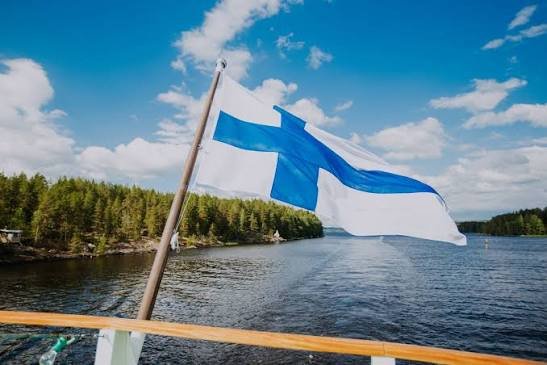
Finland is the happiest country in the world in 2026 with a life-evaluation score of 7.764. This is the ninth consecutive year that Finland has occupied the number-one position.
Finland regularly performs well in areas associated with quality of life, including social support, public services, personal freedom and trust. Residents also benefit from access to education, healthcare and extensive natural surroundings.
Another important feature is social confidence. People are more likely to feel that help will be available when they face difficulties, while relatively strong institutions contribute to a sense of stability.
Finland demonstrates that national happiness does not necessarily require the world’s highest incomes. Security, trust, work-life balance and reliable social support can matter just as much.
2. Iceland – Happiness Score: 7.540
Iceland rises to second place in the 2026 ranking with a happiness score of 7.540, only narrowly ahead of Denmark.
The small Nordic country benefits from close communities and strong levels of social support. Family relationships and community connections are particularly valuable in a country with a population spread across a large and sometimes challenging landscape.
Iceland also combines high living standards with strong healthcare, education and personal freedoms. Its dramatic natural environment and relatively low population density contribute to a distinctive quality of life.
A strong sense that people have someone to rely on during difficult times is one of the characteristics frequently associated with Iceland’s consistently high happiness results.
3. Denmark – Happiness Score: 7.539
Denmark takes third place with a score of 7.539, virtually tied with Iceland.
Denmark has spent many years near the top of global happiness rankings. Its welfare system provides broad access to healthcare, education and social protection, while employees generally benefit from strong labour protections and comparatively generous leave arrangements.
The Danish concept of hygge, associated with comfort, companionship and enjoying simple everyday experiences, has become internationally famous. However, Denmark’s high happiness levels go much deeper than lifestyle trends.
Trust in other people, relatively strong public institutions and a healthy balance between work and personal life all contribute to the country’s consistently high life evaluations.
4. Costa Rica – Happiness Score: 7.439
Costa Rica is one of the biggest stories of the 2026 World Happiness Report. With a score of 7.439, it rises to fourth place and becomes the highest-ranked Latin American country in the history of the report.
Its performance shows that happiness is not simply a ranking of the world’s richest nations. Costa Rica has a strong culture of family relationships, friendships and community connection.
The country’s famous pura vida outlook reflects an emphasis on enjoying life, relationships and everyday experiences. Costa Rica is also internationally recognised for its natural environment and long-standing investment in areas such as health and education.
Strong social bonds help explain why the country can outperform many substantially wealthier economies in reported life satisfaction.
5. Sweden – Happiness Score: 7.255
Sweden ranks fifth with a happiness score of 7.255.
Swedish residents benefit from a comprehensive social-support system, high-quality public services and strong levels of personal freedom. Education, healthcare and family-support policies help provide security throughout different stages of life.
Work-life balance is another important part of Swedish society. Paid parental leave, holidays and flexible working arrangements can make it easier for people to balance employment with family and personal time.
Sweden also performs strongly in areas such as innovation, environmental quality and institutional stability, supporting its long-standing position among the world’s happiest nations.
6. Norway – Happiness Score: 7.242
Norway takes sixth place with a happiness score of 7.242.
The country combines substantial national wealth with a strong welfare system and relatively high levels of social trust. Revenue generated from Norway’s oil and gas resources has been carefully invested through its enormous sovereign wealth fund.
Norwegians benefit from high living standards, universal healthcare, strong education and considerable access to outdoor recreation.
Income alone, however, does not explain Norway’s position. Social support, personal freedom, trust and a strong feeling of security also contribute to high levels of life satisfaction.
7. Netherlands – Happiness Score: 7.223
The Netherlands ranks seventh in the 2026 World Happiness Report with a score of 7.223.
Dutch society combines a prosperous economy with extensive public infrastructure and high levels of individual freedom. Cycling-friendly cities, efficient transportation and relatively compact urban areas can also make everyday life convenient.
Work-life balance is particularly notable. Part-time and flexible employment are relatively common, allowing many residents to spend more time with family or pursuing personal interests.
Strong social networks, good healthcare and comparatively high institutional trust help keep the Netherlands consistently within the world’s happiest group.
8. Israel – Happiness Score: 7.187
Israel ranks eighth with a happiness score of 7.187, maintaining a surprisingly high position despite significant security and political challenges in the region.
One important factor is the strength of family and community relationships. Social networks are often close, giving people substantial emotional and practical support.
Israel also has high life expectancy, a strong technology-driven economy and a highly developed healthcare system.
Its ranking demonstrates an important feature of happiness research: people can report strong overall life satisfaction even while living with serious external pressures. Social connection and resilience can play major roles in how individuals evaluate their lives.
9. Luxembourg – Happiness Score: 7.063
Luxembourg ranks ninth with a happiness score of 7.063.
The small European country has one of the world’s highest income levels per person and is an important international financial centre.
Residents benefit from high-quality healthcare, public services, infrastructure and strong social protections. Luxembourg’s location also gives people easy access to neighbouring France, Germany and Belgium.
High salaries certainly contribute to living standards, but financial prosperity is combined with safety, political stability and strong public institutions, helping Luxembourg remain firmly inside the global top ten.
10. Switzerland – Happiness Score: 7.018
Switzerland completes the top ten with a happiness score of 7.018.
The country is known for high incomes, excellent infrastructure, strong healthcare and political stability. Its cities consistently perform well in international quality-of-life comparisons.
Switzerland also offers extraordinary access to mountains, lakes and outdoor recreation, while relatively efficient public transport makes much of the country easily accessible.
High living costs are an important challenge, but strong wages, safety, public services and a stable economic environment continue to support high levels of overall life satisfaction.
What Makes the World’s Happiest Countries So Happy?
There is no single formula for creating a happy society, but several characteristics repeatedly appear among the highest-ranked countries.
Social support: Knowing that family, friends or the wider community will provide help during difficult times is strongly associated with better life evaluations.
Healthy life expectancy: Access to healthcare and the ability to live longer, healthier lives contribute significantly to wellbeing.
Freedom: People tend to report greater satisfaction when they feel able to make meaningful decisions about their own lives.
Economic security: Income matters most when it provides stability, housing, healthcare and the ability to meet everyday needs.
Trust: Confidence in neighbours, communities and institutions can make everyday life feel safer and less stressful.
Generosity: Helping others, volunteering and charitable behaviour can strengthen social connections and contribute to wellbeing.
The World Happiness Report uses these factors primarily to explain differences in life evaluations. The actual country ranking itself comes directly from people’s answers about how they rate their own lives.
Final Word
The world’s happiest countries show that wellbeing depends on more than economic wealth. Strong social relationships, trust, freedom and reliable public support repeatedly appear alongside high life satisfaction.
Finland remains number one for the ninth consecutive year, while Iceland, Denmark and the rapidly rising Costa Rica complete an especially interesting top four in the World Happiness Report 2026.