The kidneys are two bean-shaped organs that play a vital role in keeping the body healthy. They filter waste products and excess fluids from the blood, regulate blood pressure, balance electrolytes, produce hormones that support red blood cell production, and help maintain healthy bones. Since the kidneys work around the clock, maintaining their health is essential for overall well-being.
Although no single food can guarantee healthy kidneys, following a balanced diet rich in nutrient-dense foods can support normal kidney function and reduce the risk of chronic diseases that may affect the kidneys. Combined with regular exercise, adequate hydration, maintaining a healthy weight, and managing conditions such as high blood pressure and diabetes, healthy eating can go a long way in protecting kidney health.
Here are 7 healthy foods that may help improve kidney health as part of an overall healthy lifestyle.
1. Blueberries
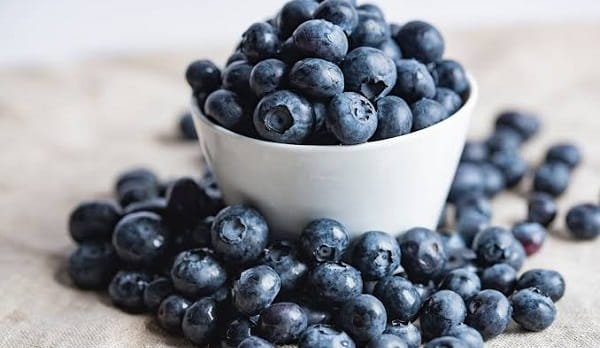
Blueberries are considered one of the healthiest fruits due to their high content of antioxidants, particularly anthocyanins, which help protect cells from oxidative stress. They are also rich in vitamin C, fiber, and other beneficial plant compounds.
Blueberries are naturally low in sodium and provide nutrients that support overall health, making them a great addition to a kidney-friendly eating pattern for many people.
Ways to enjoy blueberries:
- Add them to oatmeal.
- Blend them into smoothies.
- Mix them with yogurt.
- Eat them fresh as a snack.
2. Cauliflower
Cauliflower is a nutritious vegetable packed with fiber, vitamin C, vitamin K, and folate. It also contains antioxidants and plant compounds that support overall health.
Its versatility makes it easy to include in everyday meals. You can roast, steam, mash, or stir-fry cauliflower as a healthy alternative to more processed side dishes.
3. Garlic
Garlic adds flavor to food without increasing sodium intake, making it an excellent seasoning option. It contains antioxidants and sulfur-containing compounds that support overall health.
Using fresh garlic instead of excess salt can help people reduce sodium consumption, which is important for maintaining healthy blood pressure—a key factor in protecting kidney health.
Tip: Fresh garlic generally offers more beneficial compounds than heavily processed garlic products.
4. Apples
Apples are rich in fiber, vitamin C, and natural antioxidants. They also contain pectin, a type of soluble fiber that supports digestive health and helps maintain healthy cholesterol levels.
An apple makes an easy, nutritious snack and can be included in a balanced diet that supports overall kidney health.
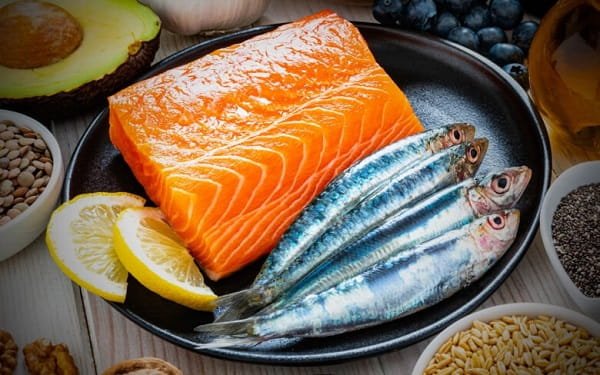
5. Fatty Fish
Fatty fish such as salmon, sardines, trout, and mackerel provide high-quality protein along with omega-3 fatty acids, which may help reduce inflammation and support heart health.
Since cardiovascular health and kidney health are closely connected, including fatty fish in your diet can be beneficial for your overall well-being.
Recommended intake: Around two servings of fatty fish per week for most healthy adults.
6. Olive Oil
Extra virgin olive oil is a healthy source of monounsaturated fats and antioxidants. It can replace saturated fats such as butter or ghee in many recipes, making meals more heart-friendly.
Healthy blood vessels and good heart health contribute to healthy kidney function, making olive oil a smart addition to a balanced diet.
Use olive oil for:
- Salad dressings
- Roasted vegetables
- Light sautéing
- Homemade marinades
7. Red Bell Peppers
Red bell peppers are rich in vitamins A and C, vitamin B6, folate, and antioxidants. They are naturally low in sodium and add color, flavor, and nutrients to meals.
Their high antioxidant content helps protect cells from oxidative damage while supporting overall immune health.
Additional Tips for Healthy Kidneys
Diet is only one part of maintaining kidney health. These healthy habits also make a significant difference:
- Drink enough water throughout the day unless your healthcare provider advises otherwise.
- Maintain a healthy body weight.
- Exercise regularly.
- Control blood pressure.
- Manage blood sugar levels if you have diabetes.
- Avoid smoking.
- Limit excessive alcohol consumption.
- Get regular medical checkups, especially if you have a family history of kidney disease.
Foods to Limit for Better Kidney Health
To reduce stress on the kidneys and support long-term health, it’s wise to limit:
- Highly processed foods
- Packaged snacks high in sodium
- Sugary beverages
- Fast food
- Excessive processed meats
- Foods high in added sugars
- Excessive alcohol
People who already have chronic kidney disease (CKD) may also need to monitor their intake of potassium, phosphorus, sodium, protein, and fluids. These dietary recommendations vary depending on the stage of kidney disease and should always be guided by a healthcare professional or registered dietitian.
Conclusion
Healthy kidneys are essential for filtering waste, balancing body fluids, regulating blood pressure, and supporting many other important bodily functions. Including foods such as blueberries, cauliflower, garlic, apples, fatty fish, olive oil, and red bell peppers in your daily diet can support kidney health as part of an overall healthy lifestyle.
Remember, there is no single “superfood” for the kidneys. The best approach is to eat a balanced diet, stay physically active, drink enough water, avoid smoking, limit processed foods, and manage conditions like diabetes and high blood pressure. Small, consistent lifestyle choices can make a significant difference in protecting your kidneys for years to come.
Frequently Asked Questions (FAQs)
Q: Which food is best for kidney health?
A: There is no single best food, but blueberries, apples, cauliflower, garlic, fatty fish, olive oil, and red bell peppers are nutritious choices that support overall kidney health.
Q: Is drinking water important for healthy kidneys?
A: Yes. Staying properly hydrated helps the kidneys filter waste and maintain the body’s fluid balance. However, people with certain kidney conditions may need individualized fluid recommendations from their healthcare provider.
Q: Can diet help prevent kidney disease?
A: A balanced diet, along with maintaining healthy blood pressure, controlling diabetes, staying active, and avoiding smoking, can help reduce the risk of chronic kidney disease.
Q: Are processed foods harmful to the kidneys?
A: Many processed foods are high in sodium, added sugars, and unhealthy fats. Eating them frequently may increase the risk of high blood pressure and other conditions that can affect kidney health.
Q: Should people with kidney disease follow the same diet as healthy individuals?
A: Not always. People with chronic kidney disease often require personalized dietary plans based on their kidney function, medications, and blood test results. They should follow advice from their doctor or a registered dietitian.