Walk into any Indian kitchen and you’ll likely find both—old brass vessels tucked away in a corner and shiny stainless steel used every day. The choice between them isn’t just about tradition or looks. It affects how you cook, how safe your food is, and how much effort you’ll spend on maintenance.
Brass has been used in Indian households for centuries, especially in traditional cooking and serving. Stainless steel, on the other hand, became popular because it is practical, durable, and easy to maintain. Both have their strengths, but they serve slightly different purposes.
Let’s compare them properly so you can decide what works best in a real home setup.
What Are Brass and Stainless Steel?
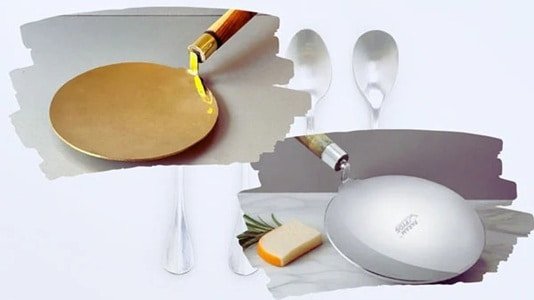
Brass is an alloy made from copper and zinc. It has a golden color and is often used in traditional utensils, especially in North and South Indian kitchens.
Stainless steel is made from iron mixed with chromium and sometimes nickel. It is non-reactive, rust-resistant, and widely used in modern cookware.
In simple terms:
- Brass = traditional + functional (with care)
- Steel = modern + safe + low maintenance
1. Health and Safety
This is the most important factor.
Stainless steel is non-reactive. It does not react with acidic or salty foods like tomato, tamarind, or lemon. This makes it one of the safest materials for daily cooking and storage.
Brass, however, is reactive. It can react with acidic foods and release metals into food. That’s why traditional brass utensils are often lined with tin (called kalai). This lining prevents direct contact between food and brass.
If the lining wears off and you still use the utensil, it can become unsafe.
👉 Verdict:
- For daily safe cooking → Stainless steel is better
2. Durability and Lifespan
Stainless steel is extremely durable. It does not rust, crack, or break easily. It can last for many years with minimal care.
Brass is also strong but requires more maintenance. Over time, it can lose its shine and needs polishing. The tin lining also needs to be reapplied periodically.
👉 Verdict:
- Long-term durability with low effort → Stainless steel
3. Cooking Performance
Brass has good heat conductivity. It heats faster than steel and can cook food evenly. That’s why it was traditionally used for cooking certain dishes.
Stainless steel does not conduct heat as well on its own. However, modern steel utensils often have aluminium or copper layers inside to improve heat distribution.
👉 Verdict:
- Slight edge in natural heat conduction → Brass
4. Maintenance and Cleaning
This is where the biggest difference shows.
Stainless steel is very easy to clean. It does not stain easily and can be washed with regular dish soap. No special care is needed.
Brass requires regular cleaning and polishing to maintain its shine. It can turn dull or develop stains over time. Also, the tin coating needs maintenance.
👉 Verdict:
- Easy maintenance → Stainless steel
5. Reaction with Food
Stainless steel does not react with food, which makes it suitable for all types of cooking.
Brass reacts with acidic ingredients like:
- Tomato
- Lemon
- Tamarind
- Vinegar
This can affect taste and safety if the utensil is not properly lined.
👉 Verdict:
- All-purpose cooking → Stainless steel
6. Cost and Value
Stainless steel is affordable and widely available. It offers good value for money because of its durability.
Brass is usually more expensive and also involves extra maintenance costs (like polishing and tin coating).
👉 Verdict:
- Budget-friendly and practical → Stainless steel
7. Traditional and Cultural Value
This is where brass stands out.
Brass utensils have deep cultural importance in India. They are often used in rituals, festivals, and traditional cooking methods. Many people also believe they offer certain health benefits when used correctly.
Stainless steel does not have this traditional connection, but it fits well with modern lifestyles.
👉 Verdict:
- Cultural and traditional use → Brass
8. Everyday Practical Use
For daily cooking, storage, and serving, stainless steel is more convenient. It handles all types of food, requires less care, and lasts long.
Brass is better suited for specific uses—like traditional cooking, serving, or occasional use—rather than everyday heavy use.
👉 Verdict:
- Daily kitchen use → Stainless steel
Final Comparison
| Factor | Brass | Stainless Steel |
| Safety | Needs lining | Very safe |
| Durability | Good (with care) | Excellent |
| Maintenance | High | Low |
| Cooking | Good heat conduction | Moderate (improved in modern designs) |
| Food Reaction | Reactive | Non-reactive |
| Cost | Higher + maintenance | Affordable |
Final Verdict
If you want a clear answer:
- For everyday cooking and safety → Stainless steel is the better choice
- For traditional use and occasional cooking → Brass can be useful
Smart Practical Approach
Most Indian homes follow a balanced method:
- Use stainless steel for daily cooking, storing, and serving
- Use brass for traditional dishes, rituals, or occasional use
Final Thoughts
Brass is valuable, but it demands care and correct usage. Stainless steel, on the other hand, fits easily into modern life without much effort.
If you want simplicity, safety, and durability, stainless steel is the clear winner. But if you respect tradition and don’t mind the maintenance, brass still has its place in the kitchen.
The best choice is not about picking one—it’s about using each where it works best.