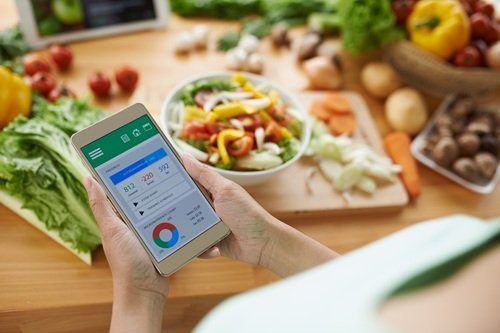
Raw food is like an unfinished story. It may have nutrients, colour, and natural taste, but the moment it touches heat, something magical begins. Rice becomes soft. Dal turns creamy. Spices release aroma. Vegetables become tender. Meat becomes safer. Dough becomes roti. A few simple ingredients suddenly become a proper meal.
Cooking is not just about making food hot. It is one of the oldest and most important habits of human life. We cook food to make it safe, tasty, soft, digestible, and suitable for eating. Cooking changes the texture, smell, flavour, and sometimes even the nutritional value of food.
In simple words, cooking turns raw ingredients into food that our body can enjoy and use more easily.
1. Cooking Makes Food Safer
One of the biggest reasons we cook food is safety. Raw food, especially meat, fish, poultry, eggs, and some unwashed vegetables, may contain harmful germs. These germs can cause food poisoning, stomach pain, vomiting, loose motion, fever, and infection.
Cooking food properly helps kill many harmful bacteria and makes food safer to eat. Food safety guidance commonly includes cooking food thoroughly as one of the main steps to prevent foodborne illness.
This is why chicken, eggs, fish, meat, and many other foods should be cooked properly before eating. Half-cooked food may still carry health risks.
2. Cooking Makes Food Softer
Many raw foods are hard, dry, or difficult to chew. Think about raw rice, raw dal, raw potato, or raw wheat flour. We cannot eat them comfortably in that form. After cooking, rice becomes soft, dal becomes smooth, potatoes become tender, and wheat flour becomes roti, bread, or paratha.
Cooking breaks down the hard structure of food and makes it easier to chew. This is especially helpful for children, elderly people, and people with dental problems.
For example, a raw potato is hard and unpleasant to eat, but a boiled potato becomes soft, tasty, and easy to digest.
3. Cooking Improves Taste and Smell
Food is not only about nutrition. Taste also matters. Cooking brings out the natural flavour of ingredients. When onions are fried, they become sweet and aromatic. When spices are heated in oil, they release a strong fragrance. When rice is cooked, it gets a pleasant smell. When vegetables are cooked with spices, they become more enjoyable.
This is why cooked food feels more satisfying than many raw ingredients. Cooking adds flavour, aroma, colour, and richness.
A simple example is dal. Plain raw dal has no taste for eating. But after boiling it and adding tadka with cumin, garlic, onion, tomato, and spices, it becomes a delicious dish.
4. Cooking Helps in Digestion
Cooking can make many foods easier for the body to digest. Heat softens food and breaks down some complex structures, so the stomach and intestine can process it more comfortably.
For example, cooked rice, cooked dal, boiled vegetables, soups, and khichdi are usually easier to digest than hard raw grains or pulses. Research on food processing has also shown that cooking can increase the energy available from some foods, such as sweet potato and meat.
This does not mean every food must be cooked. Fruits like banana, apple, orange, and grapes are usually eaten raw. But grains, pulses, meat, and many vegetables become more suitable after cooking.
5. Cooking Makes Some Nutrients Easier to Absorb
Cooking can sometimes help the body absorb nutrients better. For example, some vegetables release more useful nutrients after light cooking. Tomatoes become richer in available lycopene when cooked, and carrots may provide more available beta-carotene after cooking.
At the same time, overcooking can reduce some vitamins, especially water-soluble vitamins like vitamin C. So the method of cooking matters. Gentle methods like steaming, light sautéing, or short cooking can help preserve more nutrients than long boiling.
So the best cooking is not always heavy cooking. It should be balanced. Cook enough to make food safe and digestible, but not so much that food loses freshness and nutrition.
6. Cooking Gives Variety to Food
Cooking gives us thousands of dishes from the same basic ingredients. Rice can become plain rice, pulao, biryani, fried rice, khichdi, dosa, idli, or kheer. Wheat can become roti, paratha, bread, poori, halwa, or biscuits.
Without cooking, our food choices would be very limited. Cooking gives variety, creativity, and culture to our meals. Every region has its own cooking style. Indian food, Chinese food, Italian food, Mexican food, Odia food, Punjabi food, Bengali food — all have different flavours because of different cooking methods.
Food becomes a part of culture mainly because of cooking.
7. Cooking Helps Preserve Food
Some cooking methods help food last longer. Drying, roasting, frying, pickling, boiling, and making jams or chutneys can increase the life of certain foods.
For example, raw mango may spoil quickly, but mango pickle can last much longer because it is mixed with salt, oil, spices, and sometimes sunlight. Milk can be boiled to make it safer for short-term use. Vegetables can be cooked and stored for some time if handled properly.
However, cooked food should not be left outside for too long. Food safety guidance advises keeping food at safe temperatures and not leaving cooked food at room temperature for too long.
8. Cooking Removes Unwanted Taste or Smell
Some raw foods have a strong smell, bitterness, or unpleasant taste. Cooking helps reduce these problems. For example, raw fish or meat may have a strong smell. Some vegetables may taste bitter or too sharp when raw. After cooking with spices, salt, and other ingredients, they become much more pleasant.
This is another reason cooking is important. It makes food more acceptable and enjoyable.
9. Cooking Makes Food Suitable for Children and Elderly People
Children and elderly people often need softer and safer food. Cooked food is easier for them to chew, swallow, and digest. Dishes like dal, khichdi, soft rice, soup, boiled vegetables, porridge, and soft roti are useful because they are gentle on the stomach.
Cooking also reduces the risk of infection when food is prepared cleanly and thoroughly.
Can We Eat Food Without Cooking?
Yes, some foods can be eaten raw. Fruits, salads, cucumber, carrot, nuts, sprouts, and some vegetables are often eaten without cooking. But they should be washed properly.
Not all foods are safe or suitable in raw form. Raw meat, raw eggs, raw pulses, raw rice, and many raw grains are not good choices for regular eating. Some foods need cooking for safety, softness, digestion, and taste.
Final Words
We cook food because cooking makes food safer, tastier, softer, and easier to digest. It kills many harmful germs, improves flavour, brings variety, and makes many foods suitable for eating.
Cooking is not just a kitchen activity. It is a beautiful connection between science, health, taste, and culture. A handful of raw ingredients becomes a warm meal only because of cooking. That is why cooking is one of the most important habits in human life.