The human body is stronger than we think, but it is not unlimited. When food stops coming in, the body does not shut down immediately. It opens its emergency storage. First, it uses stored sugar. Then it turns to fat. Later, when the crisis continues, it starts breaking down muscle and body tissues to keep the heart, brain, lungs, and organs alive.
Water changes everything. Without water, survival becomes very short because the body cannot control temperature, blood pressure, kidney function, and circulation properly. But with water and no food, a person may survive much longer — usually several weeks, and in some cases around 1 to 2 months, depending on health, body fat, age, climate, activity level, and medical condition.
A broad medical estimate says that total starvation, when no food is consumed, is usually fatal in about 8 to 12 weeks, though the exact time varies a lot from person to person.
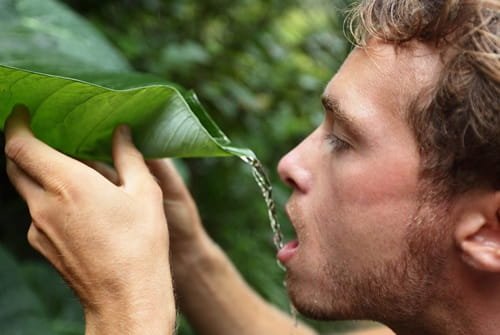
A person drinking water but eating no food may survive for several weeks.
In many cases, the possible range is around:
- 3 weeks: serious weakness and health risk may begin for many people.
- 4 to 6 weeks: the body becomes severely weak and organs may start getting affected.
- 8 to 12 weeks: survival becomes extremely dangerous; starvation is often fatal around this stage.
But this is only a rough estimate. Some people may become critically ill much earlier, especially if they are already weak, thin, elderly, diabetic, pregnant, sick, or exposed to heat.
Why Water Helps Survival
Water does not give calories, protein, fat, or vitamins. But it keeps the body functioning for some time. Water helps blood circulate, supports kidney function, controls body temperature, and allows basic chemical processes to continue.
Without water, dehydration can become life-threatening within a few days. With water, the body gets more time because it can use stored energy from fat and muscle.
That is why survival without food but with water is much longer than survival without both food and water.
What Happens to the Body Without Food?
When food stops, the body goes through stages.
First 24 Hours
In the first day, the body mainly uses stored glucose. Glucose is the easiest fuel for the brain and muscles. The liver stores glucose in the form of glycogen. Once food stops, the body begins using this stored supply.
You may feel hunger, weakness, headache, irritation, acidity, and low energy.
After 2 to 3 Days
After the stored glucose reduces, the body starts using more fat for energy. It also begins producing ketones, which the brain can use as fuel when glucose is low.
Hunger may come in waves. Some people feel dizziness, bad breath, weakness, slow thinking, and body pain.
After 1 Week
By this stage, the body is clearly under stress. Weight loss becomes visible. Fat stores are used more, but muscle breakdown also begins. The person may feel very weak, cold, tired, and unable to do normal work.
Electrolytes like sodium, potassium, magnesium, and phosphorus may become disturbed. This can affect the heart, nerves, and muscles.
After Several Weeks
This is the dangerous stage. The body has already lost fat and muscle. The heart may become weaker. Blood pressure may drop. Immunity becomes poor. The person may feel confused, extremely tired, cold, dizzy, and unable to stand or walk properly.
Merck Manual explains that starvation can affect many systems: the heart may pump less blood, breathing capacity can reduce, muscles lose size and strength, the immune system weakens, and mental function may be affected.
What Decides How Long Someone Can Survive?
Survival time is not the same for everyone. It depends on many factors.
A person with more body fat may survive longer because the body has more stored energy. A very thin person may become critical much faster. Age also matters. Children, elderly people, and sick people are at higher risk.
Climate is important too. In hot weather, the body loses more water and salts through sweating. Even if a person drinks water, heat can increase weakness and dehydration risk.
Activity level also matters. A person resting may survive longer than someone walking, working, or doing physical labour without food.
Health conditions like diabetes, kidney disease, heart disease, liver disease, infection, pregnancy, thyroid problems, and eating disorders can make fasting or starvation much more dangerous.
Water Alone Is Not Enough
Many people think, “If I drink water, I am safe.” That is not true.
Water can delay death from dehydration, but it cannot replace food. The body still needs calories, protein, fats, vitamins, minerals, and electrolytes. After some time, water alone cannot protect muscles, the heart, the immune system, and the brain.
Also, drinking only plain water for a long time without salt or food can disturb electrolytes. Low sodium, potassium, magnesium, or phosphorus can cause weakness, confusion, fainting, irregular heartbeat, seizures, or even death.
Breaking a Long Fast Can Also Be Dangerous
Another important point is refeeding. If someone has not eaten for many days, they should not suddenly eat a huge meal.
After starvation, the body becomes weak and mineral levels may be low. If food is introduced too quickly, especially carbohydrate-heavy food, it can cause refeeding syndrome, a serious condition involving dangerous electrolyte shifts. Cleveland Clinic says refeeding syndrome can happen when a malnourished person begins eating again, and it can affect the muscles, lungs, heart, and brain.
So after prolonged starvation or long fasting, food should be restarted carefully, ideally under medical supervision.
Is It Safe to Try Long Fasting?
No, long fasting without medical supervision is risky. A short religious or occasional fast may be safe for many healthy people, but long water-only fasting can be dangerous.
Avoid long fasting if you are pregnant, breastfeeding, underweight, diabetic, elderly, taking regular medicines, recovering from illness, or suffering from kidney, liver, heart, thyroid, or eating-related problems.
If someone has not eaten for several days and has severe weakness, dizziness, confusion, chest pain, fainting, vomiting, very low urine, fast heartbeat, or breathing difficulty, medical help is needed urgently.
Final Words
A person can survive longer without food if water is available, but that does not mean the body is safe. With water but no food, survival may last several weeks, and in some cases up to 8 to 12 weeks, but serious damage can begin much earlier.
The body can use stored fat and muscle for some time, but slowly the heart, muscles, brain, immune system, and organs become weak. Water helps survival, but it does not provide nutrition.