Some foods feel light, fresh, and easy on the stomach. Then there are foods that arrive quietly on the plate but carry a huge amount of energy in a very small quantity. One spoon of oil, one cube of butter, or a handful of nuts may look harmless, but calorie-wise, they can be heavier than a full bowl of rice or vegetables.
High-calorie foods are not always “bad.” In fact, many of them are useful for people who need more energy, such as athletes, people trying to gain weight, or those with very active lifestyles. But for people trying to control weight, these foods need careful portion control because calories can rise very fast.
In this article, the ranking is based mainly on calories per 100 grams, so the comparison remains fair and easy to understand.
1. Lard – Around 902 Calories Per 100g
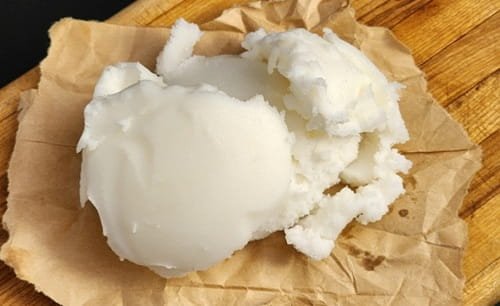
Lard is one of the most calorie-dense foods in the world. It is made from pig fat and is used in some cuisines for frying, baking, and adding richness to food. Around 100 grams of lard contains about 902 calories, making it even denser than many regular cooking oils.
The reason is simple: lard is almost entirely fat. Fat gives around 9 calories per gram, while protein and carbohydrates give around 4 calories per gram. That is why pure fat-based foods become extremely high in calories.
Lard is commonly used in traditional pastries, fried foods, pie crusts, and some meat-based recipes. It gives food a rich texture and deep flavour, but the calorie load is very high. Even a small quantity can add a lot of energy to a meal.
For example, one spoon may not look like much, but it can quickly increase the total calorie count of fried snacks or baked items.
2. Cooking Oils – Around 884 Calories Per 100g
Cooking oils are among the most common high-calorie foods found in almost every kitchen. Vegetable oil contains around 884 calories per 100 grams, and most edible oils such as sunflower oil, soybean oil, mustard oil, olive oil, and groundnut oil are also similarly calorie-dense.
The surprising part is that oil does not need a large quantity to change the calorie value of a dish. One tablespoon of oil can add roughly 120 calories, depending on the type and quantity used.
This is why fried foods become calorie-heavy so quickly. A potato by itself is not extremely high in calories, but once it is deep-fried, it absorbs oil and becomes much denser. The same happens with pakoras, samosas, chips, pooris, and many fast foods.
Oil is important for cooking and also helps absorb some fat-soluble vitamins. But when used freely, it can silently increase daily calorie intake.
3. Ghee – Around 876 Calories Per 100g
Ghee is deeply loved in Indian kitchens. It adds aroma, taste, shine, and richness to food. From dal and rice to paratha, sweets, khichdi, halwa, and ladoo, ghee can make simple food feel royal.
But nutritionally, ghee is also one of the highest-calorie foods. Around 100 grams of ghee contains about 876 calories, and almost all of those calories come from fat.
A small spoon of ghee may look innocent, but repeated use throughout the day can add many calories. One spoon in dal, one on roti, one in breakfast, and one in sweets can make the total intake quite high.
This does not mean ghee must be avoided completely. In many homes, it is used in small amounts for taste and tradition. The real issue is quantity. When ghee is used with control, it can fit into a balanced diet. But when poured generously, it quickly becomes one of the biggest calorie contributors in the meal.
4. Macadamia Nuts – Around 718 Calories Per 100g
Macadamia nuts are one of the most calorie-rich nuts in the world. They are buttery, crunchy, and smooth in taste. Around 100 grams of raw macadamia nuts contains about 718 calories, which makes them extremely energy-dense.
Unlike oil or lard, macadamia nuts also provide nutrients like fibre, minerals, and plant-based fats. So they are not just empty calories. Still, their calorie count is very high because they contain a large amount of fat.
The tricky thing with nuts is portion size. A person may start eating casually and finish a big handful without noticing. But calorie-wise, that handful can be equal to a small meal.
Macadamia nuts are often used in cookies, chocolates, desserts, trail mixes, and premium snacks. They are tasty and nutritious, but they should be eaten in measured portions if weight control is the goal.
5. Butter – Around 717 Calories Per 100g
Butter is another famous calorie-dense food. It is used in toast, cakes, cookies, sauces, parathas, sandwiches, and many bakery items. Around 100 grams of butter contains about 717 calories.
Butter is lower in calories than pure oils because it contains some water and milk solids, but it is still extremely rich. Its taste is powerful, which is why even a small amount can improve flavour.
The problem comes when butter is used in large quantities or hidden inside foods. Cakes, biscuits, croissants, pastries, garlic bread, and creamy sauces may contain a lot of butter, even if it is not visible from outside.
Butter gives softness, richness, and aroma to food, but it also raises the calorie count very fast. Like ghee, it is best used in controlled portions.
Other Very High-Calorie Foods
Apart from the top five, several other foods are also very calorie-dense. Pecans have around 691 calories per 100 grams, peanut butter has around 588 calories per 100 grams, and dark chocolate with high cocoa content can reach around 598 calories per 100 grams.
These foods may be nutritious in small quantities, but they are not light foods. They are compact energy sources.
Why Are These Foods So High in Calories?
The main reason is fat content. Foods rich in fat naturally contain more calories because fat is the most energy-dense macronutrient. Oil, ghee, lard, butter, nuts, nut butter, seeds, cheese, and chocolate all become calorie-heavy because they contain a lot of fat.
Another reason is low water content. Foods with more water, like fruits and vegetables, usually have fewer calories per 100 grams. Foods with less water and more fat become much denser.
That is why 100 grams of cucumber and 100 grams of oil are not even close in calories. The weight may be the same, but the energy value is completely different.
Final Words
The most calorie-dense foods in the world are usually rich in fat. Lard, cooking oils, ghee, macadamia nuts, and butter top the list because they pack a huge amount of energy into a small quantity.
These foods can make meals tastier and richer, but they also need respect. A little can add flavour. Too much can quietly push daily calories far beyond the limit.
FAQs
Q1. Which food has the highest calories?
Pure fat-based foods have the highest calories. Lard, cooking oils, and ghee are among the most calorie-dense foods, crossing 870–900 calories per 100 grams.
Q2. Are high-calorie foods unhealthy?
Not always. Nuts, peanut butter, and dark chocolate can provide useful nutrients. But they must be eaten in limited portions because calories can rise quickly.
Q3. Which Indian food is very high in calories?
Ghee, fried snacks, sweets, parathas with butter or ghee, biryani with excess oil, and creamy curries can be very high in calories.
Q4. Which high-calorie food is good for weight gain?
Nuts, peanut butter, whole milk, cheese, banana shakes, ghee in controlled amounts, and dry fruits are commonly used for weight gain diets.
Q5. Should I completely avoid high-calorie foods?
No, complete avoidance is not always needed. The better approach is portion control. A small amount can fit into a balanced diet, but large quantities can easily increase weight.