The dairy processing plant business is one of the most important sectors in the food and beverage industry. As the demand for milk and dairy products continues to grow worldwide, dairy processing has become a profitable business opportunity for entrepreneurs. A dairy processing plant collects raw milk from dairy farms and converts it into value-added products such as pasteurized milk, butter, cheese, yogurt, cream, flavored milk, paneer, ghee, milk powder, and other dairy products.
In 2026, rising population growth, increasing urbanization, changing food habits, and greater awareness of nutrition continue to drive demand for dairy products. Consumers are seeking high-quality, hygienically processed dairy items with longer shelf life and consistent quality. As a result, modern dairy processing plants play a vital role in ensuring food safety and meeting consumer demand.
A dairy processing business can operate on a small, medium, or large scale depending on investment capacity and target markets. Besides supplying retailers and wholesalers, processing plants can also serve restaurants, hotels, supermarkets, schools, hospitals, and food manufacturers.
Although the industry offers excellent long-term opportunities, entrepreneurs must also consider challenges such as high investment, strict food safety regulations, equipment maintenance, and supply chain management. Understanding the advantages and disadvantages of a dairy processing plant business helps investors make informed decisions.
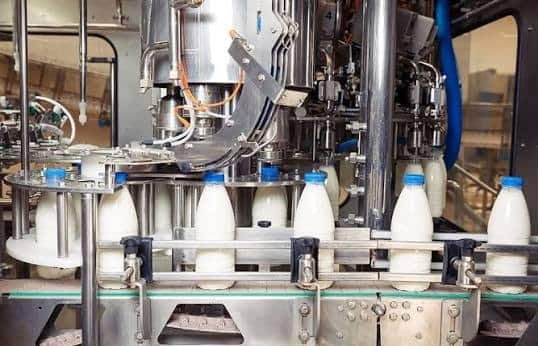
Advantages of a Dairy Processing Plant Business
1. Consistent Consumer Demand
One of the biggest advantages of a dairy processing plant is the steady demand for dairy products.
Consumers regularly purchase products such as:
- Milk
- Yogurt
- Cheese
- Butter
- Ghee
- Cream
- Paneer
- Flavored milk
Since dairy products are daily essentials in many households, demand remains relatively stable throughout the year.
2. Multiple Revenue Streams
A dairy processing plant can produce a wide variety of products from the same raw material.
Revenue opportunities include:
- Pasteurized milk
- Cheese
- Butter
- Yogurt
- Milk powder
- Ghee
- Cream
- Ice cream base
- Flavored milk
- Dairy ingredients
Product diversification reduces business risk and increases profitability.
3. Value Addition Increases Profit Margins
Processing raw milk into finished products significantly increases its market value.
Instead of selling only raw milk, businesses can earn higher profits by manufacturing premium dairy products with greater shelf life and consumer appeal.
4. Growing Demand for Processed Foods
Consumers increasingly prefer hygienically packaged food products.
Processed dairy products offer benefits such as:
- Better food safety
- Longer shelf life
- Convenient packaging
- Consistent quality
- Easy transportation
This trend supports long-term industry growth.
5. Opportunities for Brand Development
A dairy processing business can build its own brand.
A trusted dairy brand can gain customer loyalty through:
- Product quality
- Food safety
- Freshness
- Reliable distribution
- Attractive packaging
A strong brand often leads to repeat purchases and market expansion.
6. Business Scalability
A dairy processing plant can expand gradually.
Growth opportunities include:
- Increasing production capacity
- Launching new dairy products
- Expanding distribution networks
- Entering export markets
- Opening additional processing facilities
Scalability supports sustainable business growth.
7. Long-Term Supply Contracts
Processing plants often establish long-term relationships with:
- Dairy farmers
- Retail chains
- Supermarkets
- Hotels
- Restaurants
- Food manufacturers
Stable contracts improve revenue predictability.
8. Government Support for Food Processing
Many governments encourage investment in food processing industries through various industrial development and agricultural support programs.
Depending on the region, entrepreneurs may benefit from:
- Infrastructure support
- Training programs
- Financial assistance
- Food processing initiatives
Such support can encourage long-term business development.
Disadvantages of a Dairy Processing Plant Business
1. High Initial Investment
One of the biggest challenges is the substantial capital required.
Major investments include:
- Processing machinery
- Pasteurization equipment
- Cold storage
- Packaging systems
- Laboratory equipment
- Refrigerated vehicles
- Buildings
Establishing a modern processing plant requires significant funding.
2. Strict Food Safety Regulations
Dairy processing businesses must comply with food safety and quality standards.
Requirements often include:
- Hygiene protocols
- Quality testing
- Product traceability
- Packaging standards
- Regulatory approvals
Maintaining compliance increases operational complexity.
3. Perishable Raw Material
Milk is highly perishable.
Businesses must ensure:
- Quick collection
- Refrigerated transportation
- Immediate processing
- Proper storage
Delays can lead to spoilage and financial losses.
4. High Energy Consumption
Dairy processing requires continuous use of:
- Refrigeration systems
- Pasteurizers
- Processing equipment
- Cold storage
Electricity costs can significantly affect operating expenses.
5. Equipment Maintenance Costs
Processing machinery requires regular servicing.
Maintenance activities include:
- Cleaning
- Sterilization
- Mechanical repairs
- Calibration
- Preventive maintenance
Well-maintained equipment is essential for product quality and operational efficiency.
6. Supply Chain Dependence
A reliable supply of fresh milk is essential.
Production may be affected by:
- Seasonal milk availability
- Transportation disruptions
- Farm production issues
- Weather conditions
Managing supplier relationships is critical.
7. Strong Market Competition
Competition comes from:
- Established dairy brands
- Regional processors
- Cooperative dairies
- Private-label manufacturers
New businesses need quality products and effective marketing to compete successfully.
8. Inventory and Shelf-Life Management
Many dairy products have limited shelf lives.
Businesses must carefully manage:
- Production planning
- Storage
- Distribution
- Inventory rotation
Poor inventory management may result in product wastage.
Tips for Building a Successful Dairy Processing Plant Business
A successful dairy processing business requires efficient operations and consistent quality. Consider these strategies:
- Source fresh milk from reliable dairy farmers.
- Invest in modern processing technology.
- Maintain strict hygiene and food safety standards.
- Diversify product offerings.
- Build strong relationships with distributors and retailers.
- Implement quality control procedures.
- Develop attractive and informative packaging.
- Use efficient cold chain logistics.
- Promote the brand through digital and traditional marketing.
- Monitor customer feedback regularly.
- Focus on continuous product innovation.
Is a Dairy Processing Plant Business Profitable?
Yes, a dairy processing plant business can be profitable because dairy products are essential consumer goods with consistent demand. Value-added products generally provide higher profit margins than raw milk sales.
Profitability depends on production efficiency, raw material quality, energy management, distribution networks, pricing strategy, product diversification, and brand reputation. Businesses that consistently deliver safe, high-quality dairy products often achieve sustainable long-term growth.
Conclusion
The dairy processing plant business offers strong opportunities in the expanding food processing industry. Rising consumer demand for hygienic, nutritious, and convenient dairy products continues to support market growth in 2026.
Although entrepreneurs must manage challenges such as high startup investment, food safety compliance, energy costs, equipment maintenance, supply chain management, market competition, and inventory control, the business provides significant advantages, including steady demand, multiple revenue streams, value addition, scalability, long-term customer relationships, and brand-building opportunities.
Entrepreneurs who focus on product quality, operational efficiency, food safety, and effective distribution can establish a successful and sustainable dairy processing business.
FAQs
Q: What are the main advantages of a dairy processing plant business?
A: The main advantages include consistent consumer demand, multiple revenue streams, value-added products, growing demand for processed foods, branding opportunities, business scalability, long-term supply contracts, and potential government support for food processing.
Q: What are the disadvantages of a dairy processing plant business?
A: Common disadvantages include high startup investment, strict food safety regulations, perishable raw materials, high energy consumption, equipment maintenance costs, supply chain dependence, strong competition, and inventory management challenges.
Q: Is a dairy processing plant business profitable in 2026?
A: Yes, it can be profitable because processed dairy products have steady consumer demand and higher value than raw milk. Profitability depends on production efficiency, quality control, distribution, branding, and cost management.
Q: What products can a dairy processing plant manufacture?
A: A dairy processing plant can produce pasteurized milk, yogurt, cheese, butter, paneer, ghee, cream, flavored milk, milk powder, dairy beverages, and other value-added dairy products.
Q: How much investment is required to start a dairy processing plant?
A: Investment depends on plant capacity and product range. Major expenses include land, processing machinery, cold storage, laboratory equipment, packaging systems, refrigerated transportation, utilities, and working capital.
Q: How can a dairy processing business attract customers?
A: Businesses can attract customers by maintaining high product quality, ensuring food safety, developing a trusted brand, offering competitive pricing, expanding distribution, using attractive packaging, and promoting products through retail partnerships and digital marketing.
Q: What skills are required to run a successful dairy processing plant?
A: Important skills include food processing knowledge, quality control, production management, supply chain coordination, financial planning, regulatory compliance, marketing, customer relationship management, and efficient operational planning.