GTB Nagar Metro Station serves as a key metro station in North Delhi. It connects thousands of daily commuters through the Yellow Line of the Delhi Metro. Because of its proximity to Delhi University’s North Campus, the station remains highly active throughout the day.
Moreover, students, faculty members, and office workers frequently use this station. At the same time, it offers a fast and affordable mode of transport. Therefore, it plays an essential role in daily commuting for many people.
GTB Nagar Metro Station Quick Overview
| Feature | Details |
| Station Name | GTB Nagar Metro Station |
| Location | North Delhi |
| Opened | 2009 |
| Metro Line | Yellow Line |
| Station Type | Underground |
| Platforms | 2 |
| Entry/Exit Gates | Multiple gates |
| Owned By | Delhi Metro Rail Corporation (DMRC) |
| Nearby Landmark | Delhi University North Campus |
| First Train | Around 6:00 AM |
| Last Train | Around 11:00 PM |
History and Development
Delhi Metro introduced GTB Nagar Metro Station in 2009 as part of the Yellow Line expansion. At that time, planners aimed to improve connectivity in North Delhi. As a result, the station quickly became popular among students and local residents.
Over time, authorities improved facilities and services. In addition, better train frequency enhanced convenience. Consequently, commuters now enjoy faster and smoother travel experiences.
Location and Importance
GTB Nagar Metro Station lies in a busy part of North Delhi. It connects areas such as Kamla Nagar, Model Town, and Delhi University. Because of its central location, passengers can reach nearby colleges, markets, and offices easily.
Furthermore, the station supports local businesses and student activities. For example, students use it daily to attend classes and coaching centers. Therefore, its importance continues to grow in the area.
Metro Line and Connectivity
Yellow Line (Samaypur Badli – HUDA City Centre)
The station operates on the Yellow Line, which connects North Delhi with Central and South Delhi. Therefore, commuters can travel long distances without changing multiple lines.
From GTB Nagar, passengers can reach:
- Vishwavidyalaya (Delhi University)
- Civil Lines
- Kashmere Gate (major interchange)
- Rajiv Chowk
- New Delhi Railway Station
- Gurgaon (HUDA City Centre)
In addition, these connections improve travel efficiency. As a result, daily commuting becomes easier and faster.
Station Layout and Structure
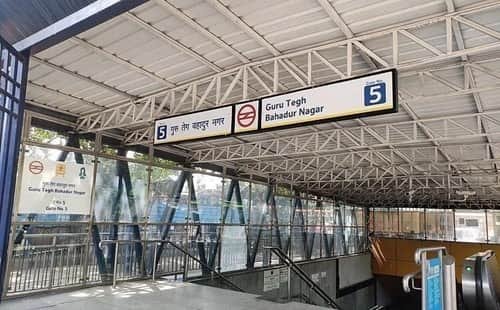
GTB Nagar Metro Station features an underground design. Because of this structure, it blends well with the surrounding urban environment.
The station includes three main levels:
- Street Level: Entry and exit points
- Concourse Level: Ticket counters and security checks
- Platform Level: Boarding areas
Moreover, escalators and elevators ensure smooth movement. At the same time, clear signage helps passengers navigate easily. Therefore, even first-time visitors can find their way without confusion.
Facilities Available
The station offers several facilities to improve passenger comfort. First, smart card machines help reduce waiting time. In addition, ticket counters remain available for token users.
Other facilities include:
- Escalators and lifts
- CCTV cameras for safety
- Clean and organized spaces
- Seating areas
- Shops and kiosks
As a result, commuters enjoy a safe and convenient journey.
Nearby Attractions and Places
Although the station mainly serves commuters, several nearby places attract daily visitors. For example, Kamla Nagar Market offers shopping and food options. Similarly, Delhi University attracts students from across the country.
Nearby locations include:
- Delhi University North Campus
- Kamla Nagar Market
- Hudson Lane cafes
- Residential colonies
- Coaching centers
Therefore, the station supports both daily activities and student life.
Connectivity with Other Transport
Bus Services
DTC buses operate frequently near the station. Therefore, passengers can travel to different parts of Delhi easily.
Auto-Rickshaws and E-Rickshaws
Auto and e-rickshaw services remain available outside the station. As a result, last-mile travel becomes simple and affordable.
Cab Services
Ride-hailing services such as Ola and Uber operate actively in the area. Hence, passengers enjoy flexible travel options.
Road Connectivity
Major roads connect the station with nearby areas. Therefore, commuting becomes smooth and efficient.
Why GTB Nagar Metro Station is Important
Several factors highlight the importance of this station. First, it serves a large student population. Second, it connects major parts of Delhi through the Yellow Line.
Additionally:
- It handles high daily passenger traffic
- It improves access to education and jobs
- It supports local markets and businesses
- It reduces road congestion
Therefore, it remains a vital part of Delhi’s metro network.
Tips for Commuters
- Use smart cards to avoid queues
- Travel during off-peak hours for comfort
- Follow signage for easy navigation
- Keep belongings secure in crowded areas
By following these tips, commuters can enjoy a smoother journey.
Conclusion
GTB Nagar Metro Station plays a crucial role in North Delhi’s transportation system. It connects key areas while supporting students and daily commuters. Moreover, its strong connectivity and modern facilities improve travel convenience.
In conclusion, the station supports both mobility and local development. Therefore, it remains an essential part of the Delhi Metro network.
FAQs
Q1. Why is GTB Nagar Metro Station important?
It connects North Delhi with major parts of the city and serves students and residents.
Q2. Which metro line serves this station?
The Yellow Line of the Delhi Metro serves this station.
Q3. Is the station underground?
Yes, it is an underground metro station.
Q4. What are the operating hours?
The station operates from around 6:00 AM to 11:00 PM.
Q5. Are parking facilities available?
Limited parking is available nearby.
Q6. What areas does it serve?
It serves GTB Nagar, Kamla Nagar, and Delhi University areas.
Q7. Is it crowded?
Yes, it becomes crowded during peak hours.
Q8. Who uses this station most?
Students, office workers, and residents use it frequently.