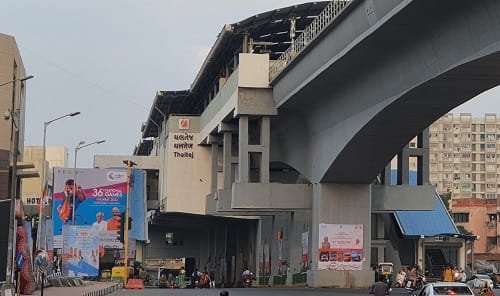
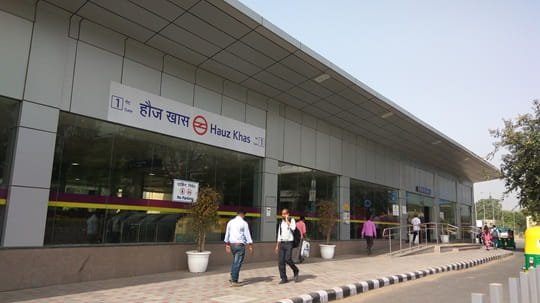
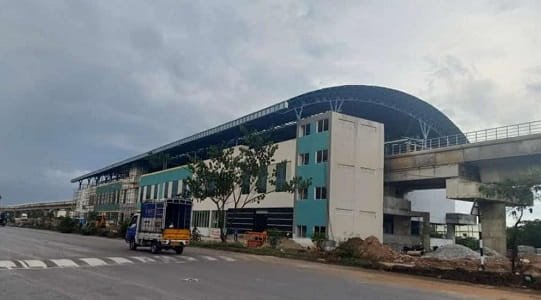
Chhatarpur Metro Station is an important metro station in South Delhi, located on the Yellow Line of the Delhi Metro. It serves as a key transit point for residents, devotees, and daily commuters traveling between Delhi and Gurugram. The station is especially known for its proximity to the famous Chhatarpur Temple, one of the largest temple complexes in India.
Due to its strategic location on the Mehrauli-Gurgaon Road, Chhatarpur Metro Station plays a significant role in connecting South Delhi with major commercial and residential areas. It is widely used by office workers, students, and tourists visiting nearby attractions.
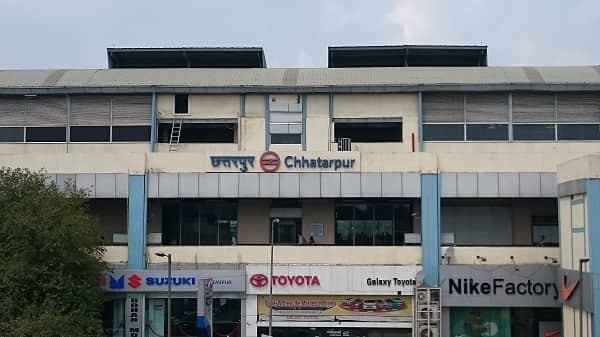
Chhatarpur Metro Quick Overview
| Feature | Details |
| Station Name | Chhatarpur Metro Station |
| Location | Chhatarpur, South Delhi |
| Opened | 2010 |
| Metro Line | Yellow Line |
| Station Type | Elevated |
| Platforms | 2 |
| Entry/Exit Gates | Multiple gates |
| Owned By | Delhi Metro Rail Corporation (DMRC) |
| Nearby Landmark | Chhatarpur Temple |
| First Train | Around 6:00 AM |
| Last Train | Around 11:00 PM |
History and Development
Chhatarpur Metro Station was inaugurated in 2010 as part of the extension of the Yellow Line towards Gurugram. This expansion significantly improved connectivity between Delhi and Haryana, particularly for people commuting daily for work.
The station was designed with a modern architectural approach and includes features that make it stand out from other metro stations. Notably, it was one of the first stations in the Delhi Metro network to incorporate a steel structure instead of traditional concrete roofing, making it unique in design.
Since its opening, the station has become an essential part of the metro network and continues to serve thousands of passengers daily.
Location and Importance
The station is located on Mehrauli-Gurgaon Road in South Delhi, a major route connecting Delhi to Gurugram. Its location makes it highly accessible for people living in nearby areas such as Vasant Kunj, Mehrauli, and Chhatarpur.
One of the biggest reasons for the station’s importance is its proximity to the Chhatarpur Temple, which attracts a large number of devotees, especially during festivals like Navratri. The station also serves as a convenient access point for various farmhouses and event venues in the area.
Metro Line and Connectivity
Yellow Line (Samaypur Badli – HUDA City Centre)
Chhatarpur Metro Station is part of the Yellow Line, one of the busiest lines in the Delhi Metro network. This line connects North Delhi, Central Delhi, South Delhi, and Gurugram.
From Chhatarpur, passengers can travel directly to key locations such as:
- Saket
- AIIMS
- Rajiv Chowk
- New Delhi Railway Station
- Sikanderpur (interchange with Rapid Metro)
- HUDA City Centre
This connectivity makes the station highly useful for daily commuters and long-distance travelers.
Station Layout and Structure
Chhatarpur Metro Station is an elevated station designed to accommodate a large number of passengers efficiently. It includes the following levels:
- Ground Level: Entry and exit gates, parking areas, and transport access
- Concourse Level: Ticket counters, security checks, and smart card recharge facilities
- Platform Level: Two platforms for metro trains
The station is equipped with escalators, elevators, and clear signage to ensure the smooth movement of passengers.
Facilities Available
The station provides various facilities to enhance passenger comfort and safety:
- Smart card recharge and ticket counters
- Escalators and elevators
- CCTV surveillance and security personnel
- Clean and well-maintained premises
- Parking facilities for vehicles
- Basic shops and kiosks
These facilities help manage the daily rush and ensure a convenient travel experience.
Nearby Attractions and Places
Chhatarpur Metro Station is surrounded by several important attractions and locations:
- Chhatarpur Temple
- Mehrauli Archaeological Park
- Qutub Minar (a short distance away)
- Vasant Kunj shopping malls
- Farmhouses and event venues
The station is particularly popular among tourists and devotees visiting the temple.
Connectivity with Other Transport
Bus Services
The station is well-connected with Delhi Transport Corporation (DTC) buses and private buses, offering routes to various parts of the city.
Auto-Rickshaws and E-Rickshaws
Autos and e-rickshaws are easily available outside the station, providing last-mile connectivity.
Cab Services
App-based cab services like Ola and Uber are widely available in the area.
This multi-modal connectivity ensures that passengers can easily reach their final destinations.
Why Chhatarpur Metro Station is Important
There are several reasons why this station holds significance:
- Located on the busy Yellow Line
- Close to Chhatarpur Temple, a major religious site
- Connects Delhi with Gurugram
- Serves residential and commercial areas
Due to these factors, the station experiences high passenger traffic, especially during festivals.
Tips for Commuters
- Avoid peak hours for a more comfortable journey
- Use smart cards for faster entry and exit
- Plan travel during festivals as crowds increase
- Follow station signage for smooth navigation
Conclusion
Chhatarpur Metro Station is a vital part of the Delhi Metro network, particularly for South Delhi and Gurugram commuters. Its proximity to major landmarks, strong connectivity, and modern facilities make it an important transit point. Whether you are traveling for work, visiting a temple, or exploring nearby attractions, Chhatarpur Metro Station offers a reliable and convenient travel experience.
FAQs
Q1. Why is Chhatarpur Metro Station famous?
Ans: It is famous for its proximity to the Chhatarpur Temple.
Q2. Which metro line passes through this station?
Ans: The Yellow Line of the Delhi Metro.
Q3. Is Chhatarpur Metro Station elevated?
Ans: It is an elevated station.
Q4. What are the timings of the station?
Ans: The station operates from around 6:00 AM to 11:00 PM.
Q5. Are parking facilities available?
Ans: Yes, parking facilities are available near the station.
Q6. What are the nearby attractions?
Ans: Chhatarpur Temple, Qutub Minar, and Vasant Kunj malls.
Q7. Is it crowded during festivals?
Ans: Yes, especially during Navratri and other religious occasions.
Q8. Is it suitable for daily commuters?
Ans: Yes, it is widely used by office workers and residents.