Living in a major global city can offer exceptional career opportunities, culture, transport, entertainment and services, but those advantages often come with a heavy financial price. In the world’s costliest cities, housing alone can consume a large share of income before groceries, transport, utilities, childcare and everyday services are considered.
The latest Asia Competitiveness Institute research, published in April 2026 using 2025 price data, compares living costs for ordinary residents across 103 major cities. Its composite index combines several price benchmarks and uses New York as the base city with an index of 100.
The results are dominated by major financial, technology and business centres in North America and Western Europe, with Sydney representing Australia in the global top ten. Let’s check out the top 10 list of the most expensive cities to live in the world.
1. New York City, United States – Cost of Living Index 100.00
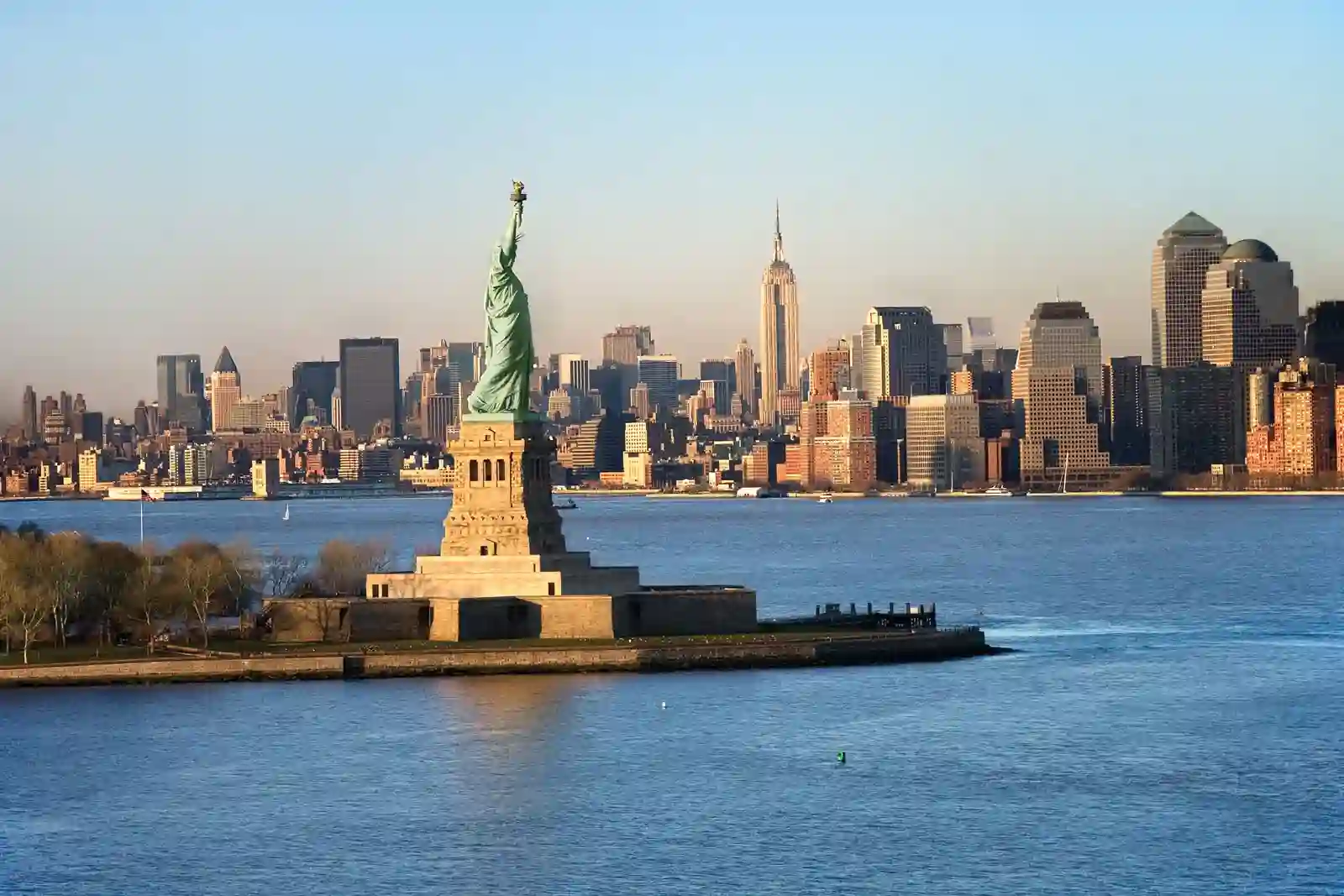
New York City ranks as the world’s most expensive major city for ordinary residents in the latest ACI study, receiving the benchmark index score of 100.
Housing is one of the biggest reasons. New York’s rental market remains extremely tight, particularly for people entering the market and paying current asking rents. The New York City Comptroller reported that rents increased by nearly 6% during 2025 and were around 29% higher than six years earlier. The city’s most recent housing survey also showed an exceptionally low vacancy rate.
Food, entertainment, personal services and many everyday purchases can also be expensive, particularly in Manhattan. High demand for limited housing combined with New York’s status as one of the world’s leading financial and cultural centres keeps the overall cost of living exceptionally high.
2. Zurich, Switzerland – Cost of Living Index 85.73
Zurich ranks second with an ACI cost-of-living index of 85.73, making it the most expensive European city in the ranking.
Switzerland is famous for high wages, but those wages are accompanied by expensive housing, restaurants, services and everyday consumer goods. Zurich’s position as an international banking and financial centre also creates strong demand for centrally located housing.
Interestingly, high cost does not necessarily mean rapidly rising prices. Zurich’s official consumer-price data showed annual inflation of only 0.2% at the end of 2025. The city is expensive largely because its existing price level is already extremely high.
3. Los Angeles, United States – Cost of Living Index 84.46
Los Angeles takes third place with an index of 84.46, narrowly behind Zurich.
Southern California’s housing market is a major contributor. The enormous demand to live near employment centres and desirable coastal neighbourhoods meets a limited supply of housing in many parts of the metropolitan area.
The U.S. Bureau of Labor Statistics reported that shelter costs in the Los Angeles area were 4.1% higher year-on-year in April 2025, while rents for primary residences were 4.5% higher. Transport can add significantly to household budgets as well, particularly because many residents depend heavily on cars for commuting.
4. Geneva, Switzerland – Cost of Living Index 81.42
Geneva is the second Swiss city in the global top ten, ranking fourth with an index of 81.42.
The city hosts major international organisations, financial institutions and multinational businesses, creating strong demand for housing in an already restricted property market.
Geneva’s official statistics show how much moving into a new property can cost. In 2025, the average monthly rent for newly allocated free-market four-room homes was CHF 2,006, while five-room properties averaged CHF 2,496.
High restaurant prices, services, insurance and daily expenses further contribute to Geneva’s reputation as one of Europe’s costliest places to live.
5. Reykjavik, Iceland – Cost of Living Index 78.40
Iceland’s capital Reykjavik ranks fifth with a cost-of-living index of 78.40.
Iceland’s relatively small domestic market means many consumer products must be imported. Food, clothing, restaurants and certain services can therefore be noticeably expensive compared with larger European markets.
Inflation has also kept pressure on household budgets. Statistics Iceland reported that consumer prices in December 2025 were 4.5% higher than a year earlier, while the average CPI for the whole of 2025 was 4.1% above 2024.
Reykjavik also has a relatively small housing market, and strong demand for homes in and around the capital helps maintain high accommodation costs.
6. San Francisco, United States – Cost of Living Index 72.05
San Francisco ranks sixth globally with an ACI index of 72.05.
Its technology-driven economy has created enormous wealth, but it has also supported some of the highest housing prices in the United States. The city’s geography limits outward development, while planning restrictions and sustained demand have historically constrained housing availability.
Restaurants, services, childcare and other labour-intensive expenses can also be costly because businesses must operate in a high-wage, high-rent environment. Housing remains the defining expense, however, and is the main reason San Francisco continues to appear near the top of international cost-of-living comparisons.
7. Sydney, Australia – Cost of Living Index 69.13
Sydney is the most expensive Australian city in the latest ACI top ten, taking seventh place with an index of 69.13.
Housing is again the major pressure point. Sydney combines a strong employment market with limited land in desirable areas, a growing population and heavy demand for homes close to the coast and major business districts.
Domain’s June 2025 rental report placed Sydney’s median weekly house rent at a record A$780, while units reached A$740 per week. Vacancy remained tight at around 1.1%.
Groceries, restaurants, utilities and services also contribute to the high cost, making Sydney considerably more expensive than many other cities in the Asia-Pacific region.
8. Luxembourg City, Luxembourg – Cost of Living Index 68.17
Luxembourg City ranks eighth with a cost-of-living index of 68.17.
The city is one of Europe’s most important financial centres and attracts a highly paid international workforce. At the same time, Luxembourg has a small land area and limited housing supply compared with the demand generated by its prosperous economy.
Housing therefore represents one of the largest expenses for residents. Food, restaurants and personal services are also costly, partly reflecting the country’s high wages and general standard of living.
Luxembourg may be much smaller than New York or Los Angeles, but its combination of limited property, high incomes and sustained international demand allows it to compete with some of the world’s largest cities on living costs.
9. Seattle, United States – Cost of Living Index 67.81
Seattle takes ninth position with an ACI index of 67.81.
The city is home to a powerful technology and corporate economy that supports high salaries but also puts strong pressure on housing prices. Census data for 2020–2024 place Seattle’s median owner-occupied home value at about $938,600, while median gross rent was around $2,030 per month.
Seattle renters themselves have identified affordability as a major concern, citing rising rental costs and high income requirements for securing accommodation.
Strong demand from highly paid workers, expensive housing and above-average costs for services help keep Seattle among the ten most expensive major cities.
10. Washington, DC, United States – Cost of Living Index 67.07
Washington, DC completes the global top ten with an index of 67.07.
As the political centre of the United States, Washington attracts government officials, diplomats, lawyers, consultants and professionals from around the world. Demand for housing close to central employment areas keeps property costs high.
Recent Census figures put the median value of an owner-occupied home in the District at about $737,100, while median gross rent was $1,954 per month for the 2020–2024 period.
Dining, childcare and professional services can add substantially to monthly expenditure, particularly for households living in the most sought-after neighbourhoods.
What Makes the World’s Most Expensive Cities So Costly?
Several factors repeatedly appear across the world’s costliest cities.
Housing shortages: New York, San Francisco, Geneva and Sydney all face strong demand for limited desirable housing.
High wages: Prosperous cities often pay higher salaries, but businesses then face higher labour costs and pass some of those costs into restaurant, retail and service prices.
Limited land: Zurich, Geneva, Reykjavik and many major coastal cities cannot expand housing supply as easily as cities with abundant developable land.
Global business demand: International financial, technology and political centres attract highly paid professionals who compete for housing and services.
Transport and utilities: Car dependence, energy costs, public transport and other essential expenses can raise monthly budgets considerably.
Currency strength: Exchange rates can affect international comparisons, particularly in countries such as Switzerland where the currency is relatively strong.
The ACI researchers also note that high prices do not automatically mean residents have poor living standards. Many expensive developed cities also have relatively high wages and purchasing power, although affordability can vary greatly between income groups.
Final Word
The world’s most expensive cities combine strong economies and major opportunities with extremely high everyday costs. Housing is the most consistent pressure, but food, transport and services can quickly make monthly budgets much larger.
New York remains at the top of the latest ACI ranking, followed by Zurich and Los Angeles, showing that the highest living costs are still concentrated in some of the world’s most influential financial, business and technology centres.