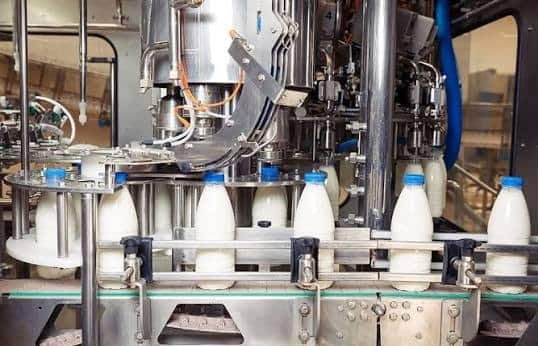
The detergent business is one of the most stable and profitable segments of the household and industrial cleaning products industry. Detergents are essential products used daily for washing clothes, cleaning utensils, maintaining homes, and supporting commercial cleaning operations. Since every household, hotel, hospital, restaurant, and industrial facility requires cleaning products, the demand for detergents remains strong throughout the year.
A detergent business can operate in several ways, including manufacturing, private labeling, wholesale distribution, retail sales, and online marketing. Entrepreneurs can produce or sell detergent powders, liquid detergents, dishwashing liquids, fabric softeners, floor cleaners, detergent cakes, laundry pods, and industrial cleaning chemicals. Many businesses also focus on eco-friendly and biodegradable cleaning products to meet growing consumer demand for sustainable household solutions.
In 2026, the detergent market continues to grow because of increasing urbanization, rising hygiene awareness, expanding hospitality industries, and greater consumer spending on cleaning products. Online retail platforms and direct-to-consumer sales have further increased business opportunities. However, entrepreneurs should also evaluate challenges such as strong competition, raw material price fluctuations, regulatory compliance, and branding expenses before entering this industry.
Understanding the advantages and disadvantages of a detergent business helps entrepreneurs determine whether this manufacturing or trading venture aligns with their investment capacity, operational expertise, and long-term business goals.

Advantages of a Detergent Business
1. Consistent Consumer Demand
One of the biggest advantages of a detergent business is the continuous demand for cleaning products.
Common customers include:
- Households
- Hotels
- Hospitals
- Restaurants
- Schools
- Laundry businesses
- Industrial facilities
- Cleaning service providers
Cleaning products are purchased regularly, creating stable market demand.
2. Wide Product Range
A detergent business can offer numerous products, including:
- Detergent powder
- Liquid detergent
- Dishwashing liquid
- Fabric softener
- Floor cleaner
- Toilet cleaner
- Laundry detergent pods
- Detergent bars
A broad product portfolio attracts different customer segments.
3. High Sales Volume
Cleaning products are fast-moving consumer goods (FMCG).
Customers purchase detergents repeatedly because they are everyday necessities.
High sales volume supports steady business growth.
4. Business Scalability
A successful detergent business can expand by:
- Increasing production capacity
- Launching new product categories
- Expanding distribution networks
- Entering export markets
- Developing private-label products
Scalable operations create long-term opportunities.
5. Multiple Sales Channels
Products can be sold through:
- Retail stores
- Supermarkets
- Wholesale distributors
- Online marketplaces
- Company websites
- Institutional buyers
Multiple sales channels improve revenue stability.
6. Branding Opportunities
Strong branding helps businesses stand out in a competitive market.
Brand recognition can be built through:
- Attractive packaging
- Product quality
- Effective advertising
- Customer satisfaction
Trusted brands often generate repeat purchases.
7. Growing Demand for Eco-Friendly Products
Consumers increasingly prefer:
- Biodegradable detergents
- Plant-based cleaning products
- Phosphate-free formulations
- Environmentally friendly packaging
This trend creates opportunities for innovative businesses.
8. Recurring Customer Base
Detergents are consumable products that require regular replacement.
Satisfied customers often become repeat buyers, improving long-term profitability.
Disadvantages of a Detergent Business
1. Strong Market Competition
One of the biggest disadvantages is intense competition.
Competitors include:
- International brands
- National manufacturers
- Local producers
- Private-label products
- Online sellers
Businesses must compete on quality, pricing, and brand value.
2. Raw Material Price Fluctuations
Manufacturing costs may increase because of changing prices for:
- Chemicals
- Packaging materials
- Fragrances
- Surfactants
- Transportation
Price volatility can reduce profit margins.
3. High Marketing Costs
Building a successful detergent brand often requires investment in:
- Advertising
- Digital marketing
- Packaging design
- Promotional campaigns
- Retail visibility
Marketing plays a critical role in customer acquisition.
4. Regulatory Compliance
Detergent manufacturers must comply with regulations related to:
- Product safety
- Chemical handling
- Packaging
- Labeling
- Environmental standards
Compliance requires continuous monitoring.
5. Inventory Management
Businesses should carefully manage:
- Raw materials
- Finished goods
- Packaging supplies
- Warehouse space
Efficient inventory control helps reduce operating costs.
6. Quality Control Requirements
Customers expect detergents to deliver:
- Effective cleaning
- Pleasant fragrance
- Safe usage
- Consistent performance
Strict quality control is essential for maintaining brand reputation.
7. Distribution Challenges
Expanding into new markets requires:
- Logistics planning
- Distributor relationships
- Warehousing
- Transportation management
Distribution efficiency directly affects profitability.
8. Product Innovation Pressure
Consumer preferences change regularly.
Businesses should continuously improve:
- Product formulations
- Packaging
- Fragrance options
- Eco-friendly alternatives
Innovation requires ongoing investment.
Tips for Building a Successful Detergent Business
A successful detergent business depends on quality products and effective branding. Consider these practical strategies:
- Use high-quality raw materials.
- Invest in product research and development.
- Maintain strict quality control.
- Develop attractive packaging.
- Build a strong distribution network.
- Expand online sales channels.
- Offer eco-friendly product options.
- Monitor customer feedback regularly.
- Invest in digital marketing and brand awareness.
- Control production costs efficiently.
- Continuously introduce product improvements.
Is a Detergent Business Profitable?
Yes, a detergent business can be highly profitable because cleaning products are essential household items with recurring demand. High sales volume, repeat customers, institutional buyers, and product diversification create multiple revenue opportunities.
Profitability depends on manufacturing efficiency, product quality, pricing strategy, branding, marketing, distribution management, customer satisfaction, and operational excellence. Businesses that consistently provide reliable and high-quality cleaning products often achieve sustainable long-term growth.
Conclusion
The detergent business remains one of the most dependable opportunities in the fast-moving consumer goods industry. Rising hygiene awareness, increasing urbanization, expanding commercial cleaning requirements, and growing demand for eco-friendly cleaning products continue to support industry growth in 2026.
Although entrepreneurs must manage challenges such as strong competition, fluctuating raw material prices, marketing expenses, regulatory compliance, inventory management, quality control, distribution challenges, and the need for continuous innovation, the business provides numerous advantages, including consistent consumer demand, a wide product range, high sales volume, business scalability, multiple sales channels, branding opportunities, growing demand for sustainable products, and recurring customer purchases.
Entrepreneurs who prioritize product quality, efficient production, customer satisfaction, and strong brand development can build a successful and profitable detergent business.
FAQs
Q: What are the main advantages of a detergent business?
A: The main advantages include consistent consumer demand, a wide product range, high sales volume, business scalability, multiple sales channels, branding opportunities, growing demand for eco-friendly products, and recurring customer purchases.
Q: What are the disadvantages of a detergent business?
A: Common disadvantages include strong market competition, raw material price fluctuations, high marketing costs, regulatory compliance, inventory management challenges, quality control requirements, distribution challenges, and continuous product innovation needs.
Q: Is a detergent business profitable in 2026?
A: Yes, it can be profitable because detergents are essential household and commercial products. Profitability depends on production efficiency, product quality, branding, pricing strategy, marketing, customer retention, and operational management.
Q: What products can be sold in a detergent business?
A: Common products include detergent powder, liquid detergent, dishwashing liquid, fabric softener, floor cleaner, toilet cleaner, laundry pods, detergent bars, industrial cleaning chemicals, and eco-friendly cleaning solutions.
Q: How much investment is required to start a detergent business?
A: Investment depends on the business model and production scale. Major expenses include manufacturing equipment, raw materials, packaging, quality testing, licensing, warehouse facilities, marketing, transportation, and working capital.
Q: How can a detergent business attract customers?
A: Businesses can attract customers by offering high-quality products, competitive pricing, attractive packaging, eco-friendly formulations, online sales, promotional discounts, retail partnerships, digital marketing, loyalty programs, and excellent customer support.
Q: What skills are required to run a successful detergent business?
A: Important skills include manufacturing management, quality control, chemical handling, inventory management, branding, marketing, financial planning, supply chain management, customer service, operational management, and business development.