The dairy business is one of the most stable and essential sectors in the agriculture and food industry. Milk and dairy products are consumed daily by millions of people, making this business a reliable source of income for entrepreneurs, farmers, cooperatives, and food manufacturers. From fresh milk and yogurt to butter, cheese, paneer, and ice cream, dairy products continue to enjoy consistent demand in both urban and rural markets.
A dairy business can operate in several forms, including dairy farming, milk collection, milk processing, wholesale distribution, retail sales, and value-added dairy product manufacturing. Businesses may supply products directly to consumers, restaurants, hotels, supermarkets, and food processing companies. Many dairy entrepreneurs also produce organic milk and specialty dairy products to cater to health-conscious consumers.
In 2026, the dairy industry continues to grow due to rising population, increasing nutritional awareness, expanding food service businesses, and improvements in cold chain logistics. Consumers are also showing greater interest in high-quality, hygienically processed dairy products. However, entrepreneurs should carefully evaluate challenges such as livestock management, fluctuating feed costs, disease control, refrigeration requirements, and strict food safety regulations before entering this industry.
Understanding the advantages and disadvantages of a dairy business helps entrepreneurs determine whether this sector matches their investment capacity, operational skills, and long-term business objectives.
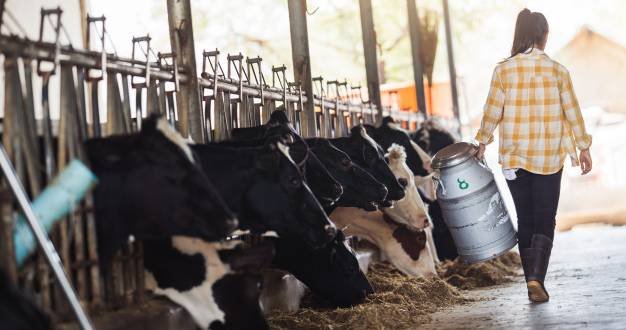
Advantages of a Dairy Business
1. Consistent Consumer Demand
One of the biggest advantages of a dairy business is the continuous demand for milk and dairy products.
Common customers include:
- Households
- Restaurants
- Hotels
- Bakeries
- Cafes
- Sweet shops
- Schools
- Food manufacturers
Daily consumption creates a stable customer base throughout the year.
2. Multiple Revenue Streams
A dairy business can generate income from various products.
Popular offerings include:
- Fresh milk
- Butter
- Cheese
- Yogurt
- Paneer
- Ghee
- Ice cream
- Flavored milk
Diversifying products improves profitability.
3. Opportunity for Value Addition
Instead of selling only raw milk, businesses can manufacture premium dairy products with higher profit margins.
Examples include:
- Organic dairy products
- Artisan cheese
- Premium yogurt
- Dairy desserts
Value-added products increase revenue potential.
4. Growing Health Awareness
Consumers increasingly recognize dairy products as valuable sources of:
- Protein
- Calcium
- Vitamins
- Essential nutrients
Health-conscious buying habits continue to support industry growth.
5. Business Scalability
A successful dairy business can expand by:
- Increasing livestock
- Building processing facilities
- Launching branded products
- Expanding distribution networks
- Entering export markets
Scalable operations create long-term growth opportunities.
6. Government Support in Many Regions
Many governments provide assistance through:
- Agricultural loans
- Dairy development programs
- Training initiatives
- Equipment subsidies
Such support may reduce startup barriers for entrepreneurs.
7. Stable Everyday Consumption
Unlike seasonal products, dairy products are consumed daily, making sales relatively consistent throughout the year.
This stability supports regular cash flow.
8. Opportunities for Brand Development
High-quality products, hygienic processing, and reliable distribution help businesses establish trusted dairy brands.
Strong branding encourages repeat purchases.
Disadvantages of a Dairy Business
1. High Initial Investment
One of the biggest disadvantages is the capital required to establish dairy operations.
Major expenses include:
- Livestock
- Dairy equipment
- Milking machines
- Refrigeration systems
- Processing facilities
- Transportation
Startup investment can be significant.
2. Livestock Management
Dairy farming requires continuous attention to animal welfare.
Responsibilities include:
- Feeding
- Veterinary care
- Breeding
- Housing
- Hygiene
Proper livestock management directly affects productivity.
3. Fluctuating Feed Costs
Animal feed prices may vary because of:
- Weather conditions
- Crop production
- Market demand
Rising feed costs can reduce profit margins.
4. Perishable Products
Milk and dairy products have limited shelf lives.
Businesses must maintain:
- Cold storage
- Refrigerated transportation
- Efficient inventory management
Poor handling may result in product losses.
5. Disease Risks
Livestock diseases may affect:
- Milk production
- Animal health
- Business operations
Regular veterinary care and preventive measures are essential.
6. Strict Food Safety Regulations
Dairy businesses must comply with food safety standards covering:
- Processing
- Packaging
- Storage
- Transportation
- Product labeling
Compliance increases operational responsibilities.
7. Labor Requirements
Daily dairy operations require skilled workers for:
- Animal care
- Milking
- Processing
- Packaging
- Distribution
Managing labor efficiently is essential for smooth operations.
8. Market Competition
Competition comes from:
- Large dairy companies
- Regional cooperatives
- Local milk suppliers
- Specialty dairy brands
Businesses must compete on quality, pricing, and customer trust.
Tips for Building a Successful Dairy Business
A successful dairy business depends on quality production and efficient management. Consider these practical strategies:
- Maintain excellent animal health.
- Use high-quality cattle feed.
- Follow strict hygiene practices.
- Invest in reliable refrigeration systems.
- Diversify into value-added dairy products.
- Build strong relationships with distributors.
- Monitor production costs regularly.
- Maintain food safety compliance.
- Develop a trusted brand identity.
- Use modern dairy management technologies.
- Continuously improve customer service and product quality.
Is a Dairy Business Profitable?
Yes, a dairy business can be highly profitable because milk and dairy products remain essential household items. Daily consumer demand, value-added product manufacturing, wholesale distribution, and branded retail products create multiple income opportunities.
Profitability depends on efficient livestock management, product quality, production costs, pricing strategy, distribution efficiency, food safety compliance, and customer satisfaction. Businesses that consistently deliver fresh, high-quality dairy products often achieve sustainable long-term growth.
Conclusion
The dairy business remains one of the most dependable opportunities in the agriculture and food processing industry. Rising nutritional awareness, increasing demand for dairy products, expanding retail markets, and improvements in cold chain infrastructure continue to support industry growth in 2026.
Although entrepreneurs must manage challenges such as high startup investment, livestock management, fluctuating feed costs, product perishability, disease risks, food safety regulations, labor requirements, and market competition, the business provides numerous advantages, including consistent consumer demand, multiple revenue streams, value-added product opportunities, growing health awareness, business scalability, government support, stable everyday consumption, and strong branding potential.
Entrepreneurs who focus on product quality, efficient operations, animal welfare, and customer satisfaction can build a successful and profitable dairy business.
FAQs
- What are the main advantages of a dairy business?
The main advantages include consistent consumer demand, multiple revenue streams, value-added product opportunities, growing health awareness, business scalability, government support in many regions, stable daily consumption, and strong branding potential.
- What are the disadvantages of a dairy business?
Common disadvantages include high startup investment, livestock management responsibilities, fluctuating feed costs, perishable products, disease risks, strict food safety regulations, labor requirements, and strong market competition.
- Is a dairy business profitable in 2026?
Yes, it can be profitable because dairy products are consumed daily. Profitability depends on efficient livestock management, product quality, pricing strategy, production efficiency, distribution, customer satisfaction, and operational management.
- What products can be sold in a dairy business?
Common products include fresh milk, yogurt, butter, cheese, paneer, ghee, cream, flavored milk, ice cream, dairy desserts, and organic dairy products.
- How much investment is required to start a dairy business?
Investment depends on the business model and scale. Major expenses include livestock, dairy equipment, milking machines, refrigeration systems, processing facilities, transportation, feed, veterinary care, marketing, and working capital.
- How can a dairy business attract customers?
Businesses can attract customers by providing fresh and hygienic products, maintaining consistent quality, offering value-added dairy products, using attractive packaging, building a trusted brand, expanding retail distribution, promoting online sales, and delivering excellent customer service.
- What skills are required to run a successful dairy business?
Important skills include livestock management, dairy production, food safety compliance, inventory management, financial planning, marketing, quality control, supply chain management, customer service, operational management, and business development.