The cosmetic business is one of the fastest-growing industries in the global beauty and personal care market. Consumers of all age groups regularly purchase skincare, makeup, haircare, fragrances, and grooming products, making cosmetics an essential part of daily life. With the rise of social media, beauty influencers, e-commerce platforms, and increasing awareness of self-care, the cosmetics industry continues to experience strong demand and innovation.
A cosmetic business can operate in several ways, including manufacturing, private labeling, wholesale distribution, retail stores, online sales, or direct-to-consumer brands. Businesses may offer products such as facial cleansers, moisturizers, lipsticks, foundations, perfumes, shampoos, sunscreens, serums, beauty accessories, and organic skincare products. Many entrepreneurs also focus on cruelty-free, vegan, herbal, or eco-friendly cosmetics to meet changing consumer preferences.
In 2026, the beauty industry continues to expand because of rising disposable incomes, growing interest in skincare routines, and the convenience of online shopping. Customers increasingly seek high-quality products with safe ingredients and sustainable packaging. However, entrepreneurs should also consider challenges such as intense competition, regulatory compliance, product development costs, and changing consumer trends before starting a cosmetic business.
Understanding the advantages and disadvantages of a cosmetic business helps entrepreneurs evaluate whether this industry aligns with their investment capacity, creativity, and long-term business goals.
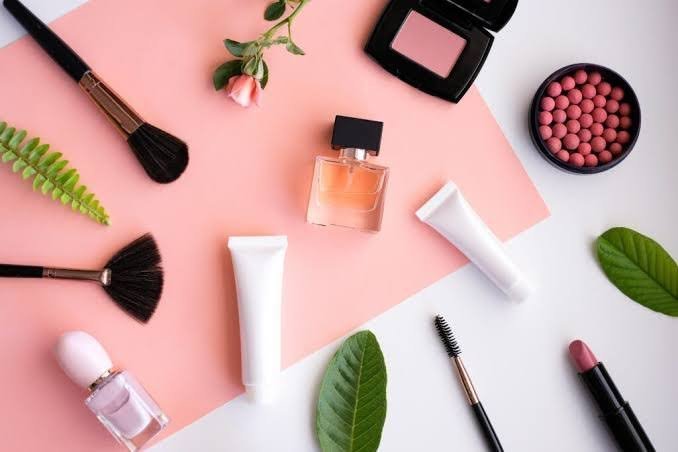
Advantages of a Cosmetic Business
1. Growing Consumer Demand
One of the biggest advantages of a cosmetic business is the continuous demand for beauty and personal care products.
Common customer groups include:
- Teenagers
- Working professionals
- Beauty enthusiasts
- Salon owners
- Makeup artists
- Online shoppers
Consumers purchase cosmetics throughout the year, creating consistent sales opportunities.
2. Wide Product Range
A cosmetic business can offer a variety of products, including:
- Skincare products
- Makeup products
- Haircare products
- Fragrances
- Men’s grooming products
- Beauty accessories
- Organic cosmetics
- Baby care products
A diverse product portfolio attracts different customer segments.
3. High Profit Potential
Many cosmetic products offer attractive profit margins, especially premium and branded items.
Businesses can further increase profitability through:
- Gift sets
- Limited-edition collections
- Subscription boxes
- Premium packaging
4. Strong E-commerce Opportunities
Online shopping has transformed the cosmetics industry.
Products can be sold through:
- E-commerce websites
- Online marketplaces
- Social media platforms
- Brand websites
Digital sales allow businesses to reach customers nationwide and internationally.
5. Brand Building Opportunities
A strong brand identity can significantly increase customer loyalty.
Successful cosmetic brands often focus on:
- Quality ingredients
- Attractive packaging
- Consistent branding
- Excellent customer service
Brand recognition supports long-term business growth.
6. Business Scalability
A cosmetic business can expand by:
- Launching new product categories
- Entering international markets
- Opening retail stores
- Partnering with distributors
- Introducing private-label products
Scalable operations create significant growth opportunities.
7. Growing Demand for Natural Products
Consumers increasingly prefer:
- Organic cosmetics
- Herbal skincare
- Vegan beauty products
- Cruelty-free cosmetics
This trend creates opportunities for specialized brands.
8. Multiple Sales Channels
Businesses can sell through:
- Retail stores
- Beauty salons
- Pharmacies
- Department stores
- Online platforms
- Wholesale distributors
Multiple distribution channels improve revenue stability.
Disadvantages of a Cosmetic Business
1. Strong Competition
One of the biggest disadvantages is intense competition.
Competitors include:
- Global beauty brands
- Local manufacturers
- Online sellers
- Private-label companies
- Direct-selling brands
Businesses must differentiate themselves through quality and innovation.
2. Regulatory Compliance
Cosmetic products must comply with safety and labeling regulations.
Businesses should ensure:
- Product testing
- Ingredient compliance
- Proper labeling
- Quality standards
Regulatory requirements may increase development costs.
3. Product Development Expenses
Developing new cosmetic products often requires investment in:
- Research
- Formulation
- Testing
- Packaging design
- Product certification
Innovation requires ongoing financial commitment.
4. Changing Consumer Trends
Beauty trends evolve rapidly.
Businesses should continuously monitor:
- Fashion trends
- Ingredient preferences
- Packaging innovations
- Customer feedback
Keeping products relevant requires constant adaptation.
5. Marketing Costs
Building a cosmetic brand often requires significant marketing investment.
Common promotional methods include:
- Influencer collaborations
- Social media advertising
- Product photography
- Digital campaigns
- Beauty exhibitions
Marketing plays a major role in customer acquisition.
6. Inventory Management
Businesses should carefully manage:
- Expiry dates
- Stock levels
- Seasonal collections
- Packaging materials
Poor inventory planning may result in product waste.
7. Customer Expectations
Consumers expect:
- Safe ingredients
- Visible results
- Attractive packaging
- Consistent quality
Meeting these expectations is essential for long-term success.
8. Counterfeit Product Risks
Popular cosmetic brands may face imitation products in the marketplace.
Businesses should protect their brand through trademarks and secure distribution channels.
Tips for Building a Successful Cosmetic Business
A successful cosmetic business depends on product quality and customer trust. Consider these practical strategies:
- Use safe and high-quality ingredients.
- Develop attractive product packaging.
- Build a strong brand identity.
- Invest in digital marketing.
- Expand product categories gradually.
- Offer cruelty-free and eco-friendly options.
- Encourage customer reviews.
- Partner with beauty influencers responsibly.
- Maintain strict quality control standards.
- Monitor beauty industry trends regularly.
- Provide excellent customer support.
Is a Cosmetic Business Profitable?
Yes, a cosmetic business can be highly profitable because consumers regularly purchase beauty and personal care products. Repeat purchases, premium product lines, online sales, subscription models, and strong branding create multiple revenue opportunities.
Profitability depends on product quality, pricing strategy, effective marketing, customer satisfaction, inventory management, and brand reputation. Businesses that consistently offer innovative and reliable products often build loyal customer bases and achieve sustainable long-term growth.
Conclusion
The cosmetic business remains one of the most attractive opportunities in the beauty and personal care industry. Rising consumer awareness, expanding e-commerce, growing interest in skincare, and demand for natural products continue to drive industry growth in 2026.
Although entrepreneurs must manage challenges such as strong competition, regulatory compliance, product development costs, changing beauty trends, marketing expenses, inventory management, customer expectations, and counterfeit product risks, the business provides numerous advantages, including growing consumer demand, a wide product range, high profit potential, e-commerce opportunities, strong branding potential, business scalability, increasing demand for natural cosmetics, and multiple sales channels.
Entrepreneurs who prioritize quality, innovation, customer satisfaction, and effective branding can build a successful and profitable cosmetic business.
FAQs
Q1. What are the main advantages of a cosmetic business?
The main advantages include growing consumer demand, a wide product range, high profit potential, strong e-commerce opportunities, branding potential, business scalability, increasing demand for natural cosmetics, and multiple sales channels.
Q2. What are the disadvantages of a cosmetic business?
Common disadvantages include strong competition, regulatory compliance, product development expenses, changing consumer trends, marketing costs, inventory management, high customer expectations, and counterfeit product risks.
Q3. Is a cosmetic business profitable in 2026?
Yes, it can be profitable because consumers frequently purchase beauty and personal care products. Profitability depends on product quality, branding, pricing, marketing, customer loyalty, inventory management, and operational efficiency.
Q4. What products can be sold in a cosmetic business?
Common products include skincare creams, face washes, moisturizers, serums, sunscreens, lipsticks, foundations, eye makeup, shampoos, conditioners, perfumes, body lotions, men’s grooming products, and beauty accessories.
Q5. How much investment is required to start a cosmetic business?
Investment depends on the business model. Major expenses include product development, manufacturing or private labeling, packaging, branding, regulatory compliance, inventory, marketing, website development, and working capital.
Q6. How can a cosmetic business attract customers?
Businesses can attract customers by offering high-quality products, attractive packaging, influencer collaborations, educational content, social media marketing, customer reviews, loyalty programs, eco-friendly products, and excellent customer service.
Q7. What skills are required to run a successful cosmetic business?
Important skills include product development, branding, marketing, customer service, inventory management, financial planning, regulatory compliance, digital marketing, supplier management, quality control, and business management.