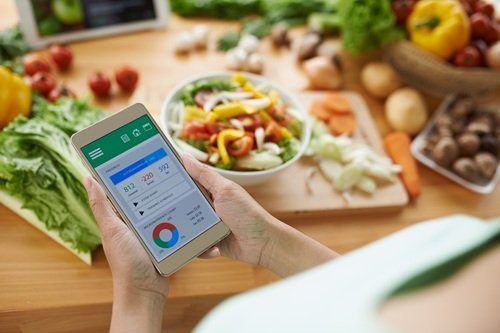
A plate of food looks simple. Some rice, a few rotis, dal, vegetables, maybe a sweet item on the side. But behind that plate, there is a long journey. A farmer worked in the field. Water was used. Seeds were planted. Crops were protected from heat, rain, insects, and disease. Someone harvested it, packed it, transported it, sold it, cooked it, and served it.
So when food is wasted, we are not only throwing away food. We are throwing away hard work, water, money, time, fuel, and nature’s resources. That is why food waste is a serious problem, not just a small household mistake.
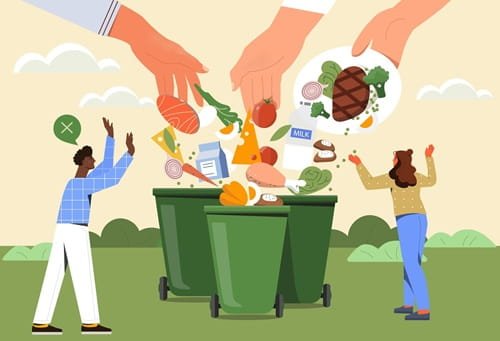
Food Is Precious Because Many People Still Sleep Hungry
The biggest reason we should not waste food is very simple: many people in the world still do not get enough to eat. While some plates are left unfinished, many families struggle for even one proper meal.
The World Food Programme reported that 318 million people were already facing crisis levels of hunger or worse in 2026. This shows how serious the hunger problem still is in many parts of the world.
When we waste food, we forget the value of something that another person may be praying for. Food should be respected because it is directly connected with survival.
Wasting Food Means Wasting Money
Food waste also means money waste. Every grain, vegetable, fruit, packet, snack, or cooked meal has a cost. When we buy more than needed and throw it away, we are wasting our own money.
In many homes, people buy extra vegetables, fruits, bread, milk, snacks, and cooked food without planning. Later, it spoils in the fridge or is thrown into the dustbin. This looks small every day, but over a month, the loss becomes big.
A family can save a good amount of money simply by planning meals properly, storing food correctly, and using leftovers smartly.
Food Waste Harms the Environment
Food does not appear magically. It needs land, water, electricity, fertilizer, labour, transport, and storage. When food is wasted, all these resources are wasted too.
Food loss and waste also affect the climate. FAO states that food loss and waste account for an estimated 8 to 10 percent of global greenhouse gas emissions.
This happens because energy is used in producing, processing, transporting, and storing food. When wasted food rots in landfills and open dumping areas, it can release gases that add to environmental damage.
So saving food is not only good for the kitchen. It is also good for the planet.
Wasting Food Means Wasting Water
Water is one of the most important hidden resources behind food. Rice needs water. Wheat needs water. Vegetables need water. Fruits need water. Animals also need water and feed before milk, eggs, or meat reach our plate.
When we throw away food, we also throw away the water used to produce it. This is especially serious because many areas already face water shortage.
A half plate of wasted rice may look small, but behind it there is soil, irrigation, labour, fuel, and water. Respecting food means respecting these resources too.
Food Waste Begins at Home
Many people think food waste happens only in hotels, restaurants, weddings, and big markets. But households also waste a large amount of food.
UNEP’s Food Waste Index Report 2024 said that households wasted over one billion meals a day in 2022 across the world.
This shows that the problem is not far away. It is inside our kitchens, dining tables, school tiffins, parties, and refrigerators.
Common reasons for household food waste include cooking too much, serving more than needed, forgetting food in the fridge, buying without planning, and rejecting fruits or vegetables just because they do not look perfect.
Food Waste Shows Lack of Respect
Food has emotional and cultural value too. In many Indian homes, elders teach children not to waste even one grain of rice. This is not only tradition; it is wisdom.
Food is connected with farmers, parents, mothers, workers, nature, and God’s blessings. When we waste food carelessly, it shows that we do not understand the effort behind it.
Respecting food builds good character. It teaches children discipline, gratitude, and responsibility.
Food Waste Increases Pressure on Farmers
Farmers already face many challenges: uncertain weather, pests, rising costs, low prices, storage problems, and market pressure. When food is wasted at different stages, the value of their hard work reduces.
FAO has noted that around 13 percent of food is lost globally in the supply chain after harvest and before retail, while food waste at household, food service, and retail levels stands at 19 percent.
This means food is lost both before it reaches us and after it reaches us. Reducing waste at home is one simple way to respect the farmer’s effort.
Food Waste Is Common in Weddings and Parties
In India, weddings, birthday parties, religious functions, and buffets often create huge food waste. People fill plates with many items, taste a little, and leave the rest. Sometimes the host also orders much more food than required out of fear that guests may feel there is less.
This habit needs change. Hospitality does not mean waste. A well-managed event with proper food planning is better than a grand event where buckets of food are thrown away.
Extra safe food should be distributed quickly through proper local channels, food donation groups, or nearby needy people, wherever possible and hygienic.
How Can We Reduce Food Waste?
We can reduce food waste with small daily habits.
- Cook only what is needed.
- Serve small portions first and take more only if required.
- Store fruits, vegetables, milk, and cooked food properly.
- Use leftovers creatively in the next meal.
- Check the fridge before buying more groceries.
- Do not reject fruits and vegetables only because of small shape or colour differences.
- At parties, take only what you can finish.
- Teach children to respect food from a young age.
These habits are simple, but if followed regularly, they can make a big difference.
Final Words
We should not waste food because food is life. It gives energy, health, strength, and survival. Behind every meal, there is a farmer’s hard work, nature’s resources, family money, and someone’s effort in cooking and serving.
When we waste food, we waste much more than what is on the plate. We waste water, money, labour, fuel, and kindness. At the same time, millions of people still struggle with hunger.