The data center business is one of the fastest-growing sectors in the digital infrastructure industry. As businesses increasingly rely on cloud computing, artificial intelligence (AI), big data, e-commerce, and online applications, the demand for secure and reliable data storage continues to rise. Data centers serve as the backbone of the digital economy by providing computing power, networking infrastructure, and storage solutions for organizations of all sizes.
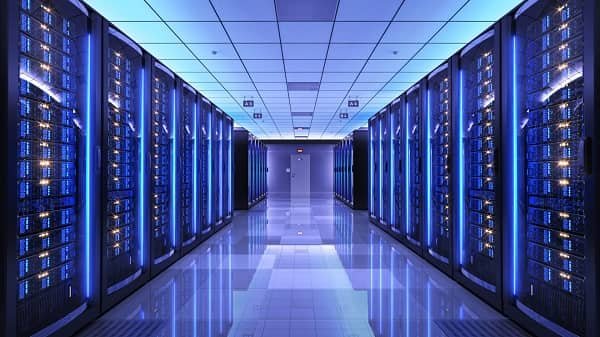
A data center business involves building or operating facilities that house servers, networking equipment, storage systems, and backup infrastructure. These facilities provide services such as colocation, cloud hosting, disaster recovery, managed hosting, backup storage, and network connectivity. Customers include technology companies, banks, healthcare organizations, government agencies, educational institutions, e-commerce platforms, and enterprises that require secure IT infrastructure.
In 2026, the data center industry continues to expand due to rapid digital transformation, increasing internet usage, the growth of cloud services, and the adoption of AI-powered applications. Edge computing, hybrid cloud environments, and stricter cybersecurity requirements have also increased demand for modern data centers. However, entrepreneurs should carefully evaluate challenges such as high capital investment, energy consumption, infrastructure maintenance, and regulatory compliance before entering this industry.
Understanding the advantages and disadvantages of a data center business helps entrepreneurs determine whether this technology-driven venture aligns with their investment capacity, technical expertise, and long-term business objectives.
Advantages of a Data Center Business
1. Growing Market Demand
One of the biggest advantages of a data center business is the increasing need for digital infrastructure.
Common customers include:
- Cloud service providers
- Financial institutions
- Healthcare organizations
- E-commerce companies
- Government agencies
- Educational institutions
- Software companies
- Large enterprises
As digital transformation continues, demand for data center services remains strong.
2. Recurring Revenue Model
Many data center services operate on long-term contracts or subscription-based pricing.
Revenue sources include:
- Colocation services
- Cloud hosting
- Server hosting
- Backup services
- Managed IT services
- Disaster recovery solutions
Recurring contracts create predictable cash flow.
3. High Business Scalability
A successful data center business can expand by:
- Increasing server capacity
- Adding new facilities
- Expanding cloud services
- Entering new geographic markets
- Offering managed infrastructure solutions
Scalable operations support sustainable growth.
4. Multiple Service Offerings
A data center business can provide a wide range of services, including:
- Colocation
- Dedicated server hosting
- Cloud infrastructure
- Virtual private servers
- Data backup
- Disaster recovery
- Network connectivity
- Managed hosting
Diversification helps increase revenue opportunities.
5. Strong Corporate Client Base
Most customers are businesses that require reliable IT infrastructure.
Long-term enterprise contracts improve:
- Revenue stability
- Customer retention
- Business planning
Corporate clients often renew services regularly.
6. Growing Cloud Computing Industry
The increasing adoption of cloud computing continues to drive demand for:
- Storage solutions
- Computing resources
- Virtual infrastructure
- Hybrid cloud environments
This trend supports long-term business growth.
7. High Entry Barrier Reduces Competition
Because establishing a data center requires significant investment and technical expertise, fewer competitors enter the market compared to many traditional businesses.
This can benefit well-established operators.
8. Opportunities for Premium Services
Businesses can offer premium solutions such as:
- High-availability hosting
- Cybersecurity services
- AI infrastructure
- Dedicated enterprise solutions
- High-performance computing
Premium services often generate higher profit margins.
Disadvantages of a Data Center Business
1. High Initial Investment
One of the biggest disadvantages is the significant capital required to establish a data center.
Major expenses include:
- Land and buildings
- Servers
- Networking equipment
- Cooling systems
- Backup power infrastructure
- Security systems
Startup costs can be substantial.
2. High Energy Consumption
Data centers consume large amounts of electricity to power servers and cooling systems.
Energy costs represent one of the largest operating expenses.
3. Complex Infrastructure Maintenance
Businesses must regularly maintain:
- Servers
- Networking equipment
- Cooling systems
- Power backup systems
- Fire protection systems
Maintenance requires specialized expertise.
4. Cybersecurity Risks
Data centers manage sensitive customer information.
Businesses should invest in:
- Network security
- Firewalls
- Encryption
- Access controls
- Continuous monitoring
Strong cybersecurity measures are essential.
5. Rapid Technology Changes
Technology evolves quickly.
Businesses should regularly upgrade:
- Hardware
- Software
- Storage systems
- Networking equipment
Frequent upgrades increase operating costs.
6. Regulatory Compliance
Data centers must comply with regulations concerning:
- Data protection
- Privacy
- Environmental standards
- Industry certifications
- Information security
Compliance requires ongoing monitoring and documentation.
7. Skilled Workforce Requirements
Running a data center requires professionals with expertise in:
- Networking
- Cybersecurity
- Server administration
- Cloud computing
- Infrastructure management
Recruiting and retaining skilled employees can be challenging.
8. Downtime Risks
Unexpected outages caused by equipment failures, power interruptions, or cyberattacks may affect customer operations and business reputation.
High availability and disaster recovery planning are essential.
Tips for Building a Successful Data Center Business
A successful data center business depends on reliability, security, and operational excellence. Consider these practical strategies:
- Invest in energy-efficient infrastructure.
- Implement strong cybersecurity measures.
- Maintain redundant power and cooling systems.
- Offer scalable cloud solutions.
- Build long-term relationships with enterprise clients.
- Use continuous monitoring systems.
- Maintain regular hardware upgrades.
- Ensure compliance with industry regulations.
- Hire experienced technical professionals.
- Provide 24/7 customer support.
- Continuously evaluate emerging technologies.
Is a Data Center Business Profitable?
Yes, a data center business can be highly profitable because organizations increasingly require secure and reliable digital infrastructure. Long-term contracts, cloud hosting, colocation services, managed IT solutions, and disaster recovery services generate recurring revenue.
Profitability depends on facility utilization, energy efficiency, infrastructure reliability, cybersecurity, customer retention, operational management, and strategic expansion. Businesses that consistently provide secure, high-performance services often achieve sustainable long-term growth.
Conclusion
The data center business remains one of the most important sectors supporting the global digital economy. Increasing cloud adoption, AI applications, digital transformation, cybersecurity requirements, and enterprise IT modernization continue to drive industry growth in 2026.
Although entrepreneurs must manage challenges such as high startup investment, energy consumption, infrastructure maintenance, cybersecurity risks, rapid technological changes, regulatory compliance, skilled workforce requirements, and downtime risks, the business provides numerous advantages, including growing market demand, recurring revenue, business scalability, multiple service offerings, strong corporate clients, cloud computing growth, reduced competition due to high entry barriers, and premium service opportunities.
Entrepreneurs who prioritize infrastructure reliability, cybersecurity, operational efficiency, and customer satisfaction can build a successful and profitable data center business.
FAQs
Q: What are the main advantages of a data center business?
A: The main advantages include growing market demand, recurring revenue, business scalability, multiple service offerings, strong corporate clients, growth in cloud computing, reduced competition because of high entry barriers, and opportunities to provide premium services.
Q: What are the disadvantages of a data center business?
A: Common disadvantages include high startup investment, significant energy consumption, complex infrastructure maintenance, cybersecurity risks, rapid technology changes, regulatory compliance, the need for skilled professionals, and downtime risks.
Q: Is a data center business profitable in 2026?
A: Yes, it can be highly profitable because businesses increasingly rely on cloud computing and secure digital infrastructure. Profitability depends on infrastructure utilization, energy efficiency, customer retention, service quality, operational management, and technology upgrades.
Q: What services can a data center business provide?
A: Common services include colocation, cloud hosting, dedicated servers, virtual private servers, managed hosting, backup storage, disaster recovery, network connectivity, cybersecurity support, and infrastructure management.
Q: How much investment is required to start a data center business?
A: Investment depends on the size and capacity of the facility. Major expenses include land, buildings, servers, networking equipment, cooling systems, backup power, security infrastructure, software, licensing, staffing, and working capital.
Q: How can a data center business attract customers?
A: Businesses can attract customers by providing reliable uptime, strong cybersecurity, scalable infrastructure, competitive pricing, excellent customer support, compliance certifications, disaster recovery services, cloud integration, and long-term enterprise solutions.
Q: What skills are required to run a successful data center business?
A: Important skills include data center operations, networking, cloud computing, cybersecurity, infrastructure management, financial planning, regulatory compliance, customer relationship management, technical support, operational management, and business development.