India is usually associated with tropical summers and warm plains, but its northern mountains experience an entirely different climate. Across Ladakh, Himachal Pradesh, Jammu and Kashmir and the higher reaches of Sikkim, winter can bring frozen rivers, metres of snow and temperatures far below zero.
The coldest locations are concentrated at high elevations in the Himalayas and Karakoram, where thin air, long winters and dry continental conditions allow temperatures to fall dramatically. Some are inhabited towns, while others are remote valleys or military zones where ordinary tourism is limited.
Temperatures vary from year to year and can differ sharply between a town and nearby higher terrain, so the figures below represent approximate severe winter conditions rather than a single all-time record. Let’s check out the top 10 list of the coldest places in India.
1. Siachen Glacier, Ladakh – Around -50°C
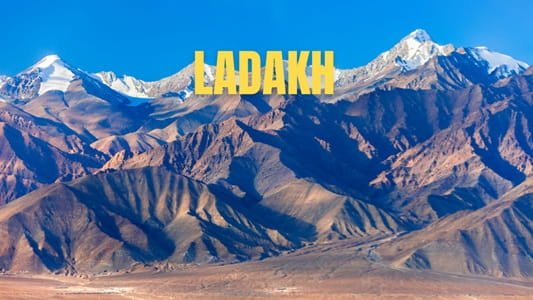
Siachen Glacier experiences some of the harshest climatic conditions anywhere in India, with winter temperatures capable of falling to approximately -50°C.
Located high in the Karakoram range, Siachen sits at extreme altitude and remains covered by snow and ice throughout the year. Heavy snowfall, powerful winds and extremely low oxygen levels make conditions far more difficult than temperature alone suggests. Reports concerning personnel stationed in the region regularly describe winter conditions approaching minus 50 degrees Celsius.
Siachen is not an ordinary tourist destination. It is a highly sensitive military region, and access is tightly controlled. Its presence at the top of the ranking therefore reflects climatic severity rather than its suitability for travellers.
2. Dras, Ladakh – Around -40°C or Lower
Dras, located in the Kargil district of Ladakh, is widely recognised as one of the coldest permanently inhabited places in the world.
Winter temperatures can fall to around -40°C, while heavy snowfall covers the valley for long periods. India’s official tourism platform describes Dras as the second-coldest inhabited place in the world.
Despite these brutal winters, people live in Dras throughout the year. Its location near the Zoji La mountain pass exposes the valley to extremely cold continental air.
Dras is also known as the Gateway to Ladakh and is home to the Kargil War Memorial. During summer the landscape becomes dramatically greener, but winter transforms it into one of India’s most severe inhabited environments.
3. Kargil, Ladakh – Extreme Winters Down to Around -45°C
Kargil is another Ladakh town where winter conditions can become exceptionally severe.
Located at approximately 2,676 metres above sea level, Kargil experiences long, freezing winters. Official Indian tourism information notes that temperatures in the region can fall to around -45°C during extreme winter conditions.
The town sits between high mountain ranges and has a dry, continental climate. Snow can restrict road travel, particularly across mountain passes connecting Kargil with other parts of Ladakh and Kashmir.
Unlike the still harsher Siachen Glacier, Kargil is a functioning town with markets, hotels and a permanent population, making its winter climate particularly remarkable.
4. Hanle and Changthang, Ladakh – Around -30°C to -40°C
The remote Hanle and Changthang region of southeastern Ladakh is known for extreme altitude, clear skies and exceptionally cold winters.
The Changthang plateau is home to Changpa nomadic communities who have traditionally endured temperatures that can reach around -40°C. The severe winter climate also encourages pashmina goats to develop the exceptionally soft undercoat used to make cashmere.
Hanle sits more than 4,000 metres above sea level and is famous for its astronomical observatory. The dry atmosphere and low population that make it ideal for astronomy also contribute to dramatic night-time cooling.
Winter travel requires careful preparation because medical facilities are limited and altitude sickness is a serious risk throughout remote Ladakh.
5. Zanskar Valley, Ladakh – Around -30°C
The isolated Zanskar Valley becomes one of India’s most dramatically frozen landscapes during winter.
Temperatures can fall to approximately -30°C, while snow blocks many roads connecting the valley with the outside world.
Zanskar is surrounded by high mountains and lies at elevations well above 3,000 metres. Its cold, dry climate creates the conditions for one of India’s best-known winter adventures—the Chadar Trek, traditionally undertaken along sections of the frozen Zanskar River.
The valley contains small settlements and centuries-old Buddhist monasteries. Life here during winter requires careful preparation, stored supplies and considerable adaptation to isolation.
6. Leh, Ladakh – Around -20°C to -30°C
Leh is one of India’s best-known high-altitude destinations, but its pleasant summer weather hides an extremely cold winter.
Official tourism data show January minimum temperatures around -20°C, while Ladakh’s tourism authorities warn that winter temperatures across the region can reach approximately -30°C.
Leh sits at an altitude of roughly 3,500 metres in a cold desert environment. Low humidity and clear winter skies allow heat to escape rapidly after sunset, creating bitterly cold nights.
Unlike many remote Himalayan valleys, Leh remains an important administrative and tourism centre throughout the year. Winter visitors, however, need proper thermal clothing and time to acclimatise to the altitude.
7. Spiti Valley, Himachal Pradesh – Around -20°C
Spiti Valley is a high-altitude cold desert surrounded by some of Himachal Pradesh’s most dramatic mountains.
During deep winter, temperatures in parts of Spiti can fall to around -20°C. Himachal Tourism notes that even summer remains comparatively cool, while December to February brings severe sub-zero conditions.
Kaza is the valley’s main settlement and sits at approximately 3,650 metres above sea level. Nearby villages such as Kibber, Langza, Hikkim and Komic are even higher.
Snow and ice can make travel difficult during winter, although improved road connections have made Spiti more accessible than in the past. Its cold desert landscape, monasteries and tiny mountain settlements give the region a character unlike most other parts of India.
8. Keylong, Himachal Pradesh – Around -19°C
Keylong, the administrative centre of Lahaul and Spiti district’s Lahaul region, is another settlement accustomed to prolonged freezing weather.
Official Himachal Tourism information lists winter minimum temperatures in Lahaul at approximately -19°C.
Keylong is surrounded by high mountains and receives significant snowfall during winter. Before the opening of the Atal Tunnel, heavy snow around Rohtang Pass could isolate Lahaul from Manali for months.
Although year-round connectivity has improved, the weather itself remains severe. Frozen ground, snow-covered mountains and sub-zero nights make Keylong one of the coldest regularly inhabited towns in Himachal Pradesh.
9. Gulmarg, Jammu and Kashmir – Around -10°C or Lower
Gulmarg is famous as one of India’s premier ski destinations, and its popularity is directly connected with its long, snowy winters.
Located in the Pir Panjal range at approximately 2,650 metres, Gulmarg receives substantial snowfall and regularly experiences sub-zero temperatures. The wider Kashmir region can see temperatures fall towards -10°C during severe winter periods, while the higher slopes above Gulmarg become considerably colder.
The Gulmarg Gondola carries visitors towards Kongdoori and Mount Apharwat, where elevations exceed 4,000 metres and snow can remain for much of the year.
Unlike some of India’s remote cold deserts, Gulmarg has developed substantial winter-tourism infrastructure, making its extreme snowy conditions an attraction rather than simply an obstacle.
10. Lachen and Thangu, North Sikkim – Around -10°C in Winter
Lachen and the higher Thangu Valley represent some of the coldest permanently inhabited areas of Sikkim.
Lachen lies at around 2,700 metres, while Thangu is significantly higher on the route towards Gurudongmar Lake. Government material describes Lachen as remaining under thick snow during winter, with temperatures below zero. Historical climatic records have placed January mean minimum temperatures in Lachen close to -10°C.
Farther north, Sikkim’s tundra-like high-altitude areas remain snowbound for months. State tourism authorities note that northwestern high mountain regions can experience temperatures approaching -40°C, although those figures refer mainly to high peaks rather than inhabited villages.
The combination of altitude, snowfall and remote Himalayan terrain makes North Sikkim one of eastern India’s harshest winter environments.
What Makes These Places So Cold?
India’s coldest regions share several geographical and climatic characteristics.
High altitude: Temperature generally decreases with elevation, and many places on this list lie more than 3,000 metres above sea level.
Himalayan location: The Himalayas and Karakoram experience long winters and receive cold air from continental Central Asia.
Cold desert climate: Ladakh and Spiti receive limited moisture, creating clear skies that allow temperatures to fall rapidly after sunset.
Snow cover: Snow reflects solar energy and prevents the ground from warming efficiently, helping maintain freezing conditions.
Mountain valleys: Cold, dense air can collect in enclosed valleys during calm winter nights, driving temperatures even lower.
Long winters: In regions such as Zanskar, Siachen and North Sikkim, snow can remain for months and higher areas may stay frozen well into spring.
Final Word
India’s coldest places reveal a side of the country very different from its tropical image. From the extreme conditions of Siachen and Dras to the inhabited valleys of Spiti, Keylong and North Sikkim, winter temperatures can range from deeply sub-zero to almost -50°C.
Ladakh dominates the ranking because of its exceptional altitude and cold desert climate, while Himachal Pradesh, Jammu and Kashmir and Sikkim also contain some of India’s most demanding winter environments.